Leafy Pack
Related News & Blogs
News & Views from the Packaging Automation Experts.


News & Views from the Packaging Automation Experts.
Mar 4, 2026
Discover how EliteCount’s vision-based piece counting system ensures precise, compliant, and consistent counting for gummies, tablets, capsules, and other.

When every piece matters, counting accuracy isn’t optional it’s critical in regulated edible production.
From infused gummies and chews to tablets, capsules, and other count-based plant-derived products, accurate counting plays a direct role in regulatory compliance, product consistency, and consumer trust. A single miscount isn’t just a quality issue it can create labeling errors, compliance risk, product recalls, or costly rework.
That’s why manufacturers are increasingly turning to advanced, vision-based counting systems designed for regulated production environments.
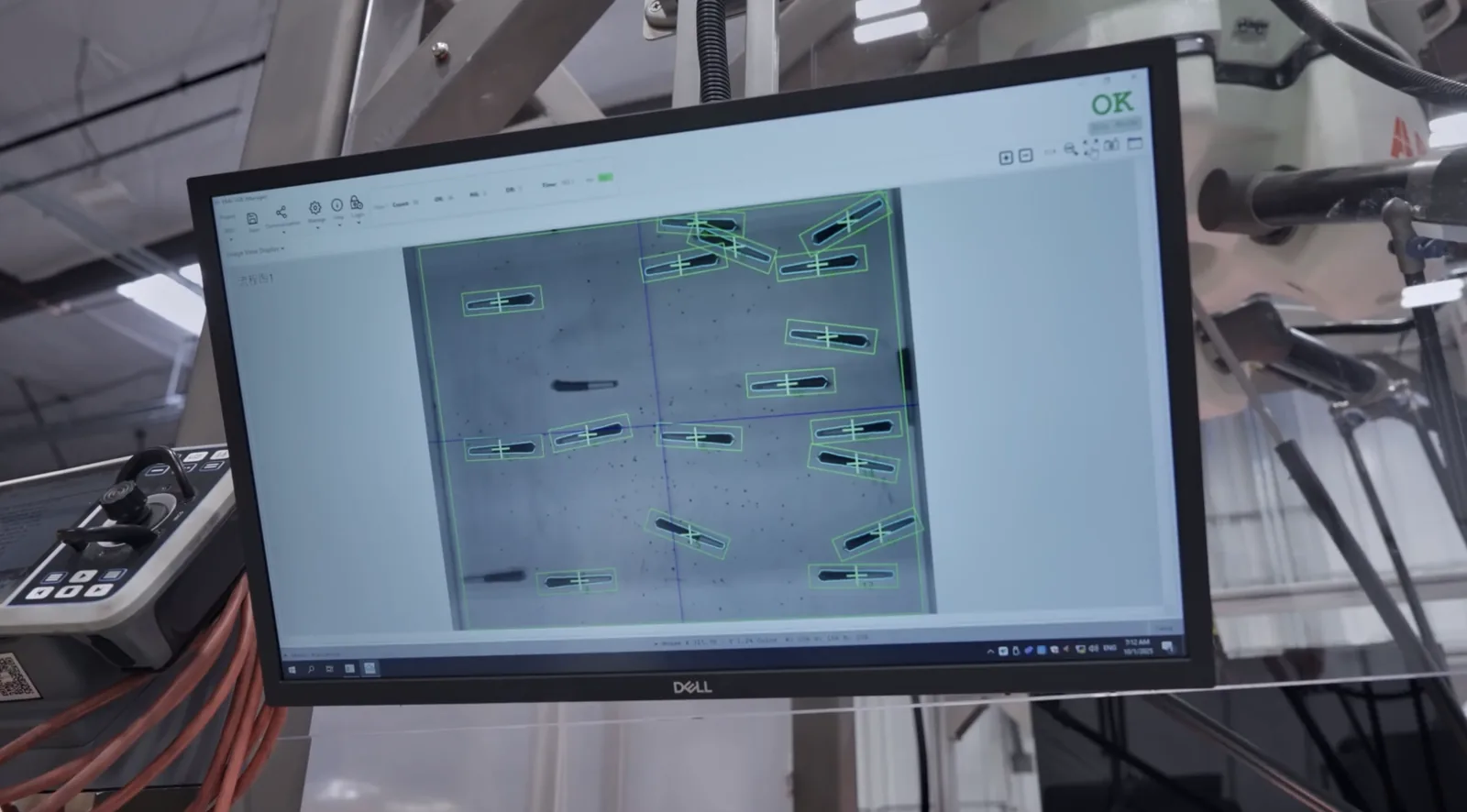
At LeafyPack, the EliteCount system is engineered to deliver precise, repeatable counts of individual products using high-resolution vision systems and intelligent detection software. Unlike traditional mechanical counters that rely on weight assumptions or basic sensors, EliteCount visually identifies and verifies each individual piece in real time bringing a higher level of accuracy and accountability to modern packaging lines.

Vision systems don’t guess, they see.
As products pass through the counter, EliteCount enables:
This level of verification is especially important in highly regulated industries, where dose accuracy, declared counts, and package consistency are closely scrutinized by regulators and consumers alike.
EliteCount is designed to handle a wide range of edible and solid-dose products, including gummies, chews, tablets, capsules, chocolates, and other single-dose items.
Recipe-driven controls and intuitive interfaces allow operators to change SKUs quickly while maintaining consistent performance, supporting high-mix production environments that demand both speed and precision.
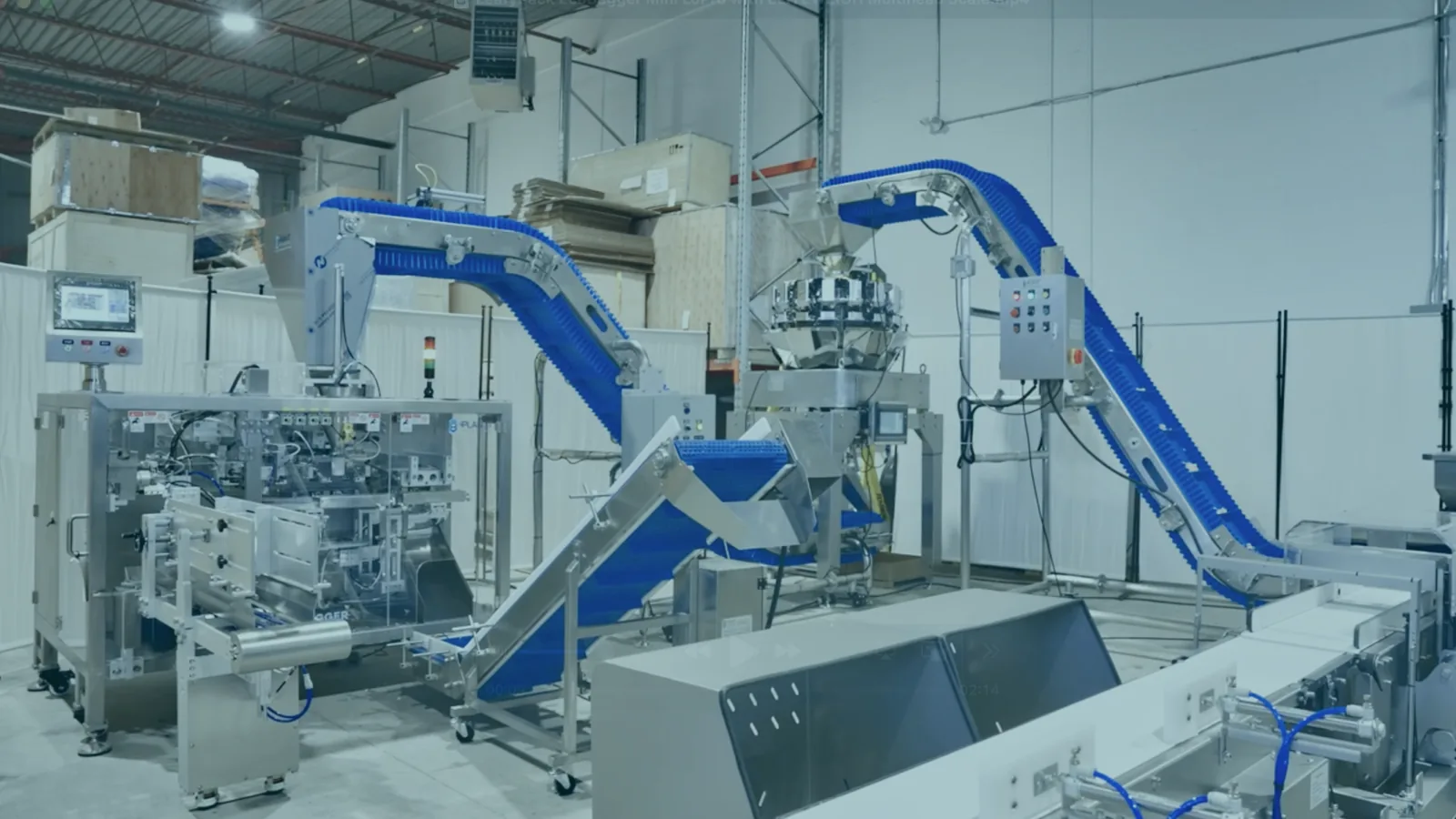
EliteCount is fully compatible with our bagging and jar lines, including the EcoBagger Mini, making it easy to integrate into automated packaging workflows.
Accurate counting protects more than just the package, it protects:
By eliminating overfills, underfills, and manual counting errors, EliteCount helps manufacturers reduce waste, improve throughput, and ensure confidence in every unit that leaves the facility.
When accuracy matters most, vision-based counting makes the difference.
Because in regulated packaging, seeing truly is counting.
Jul 10, 2026
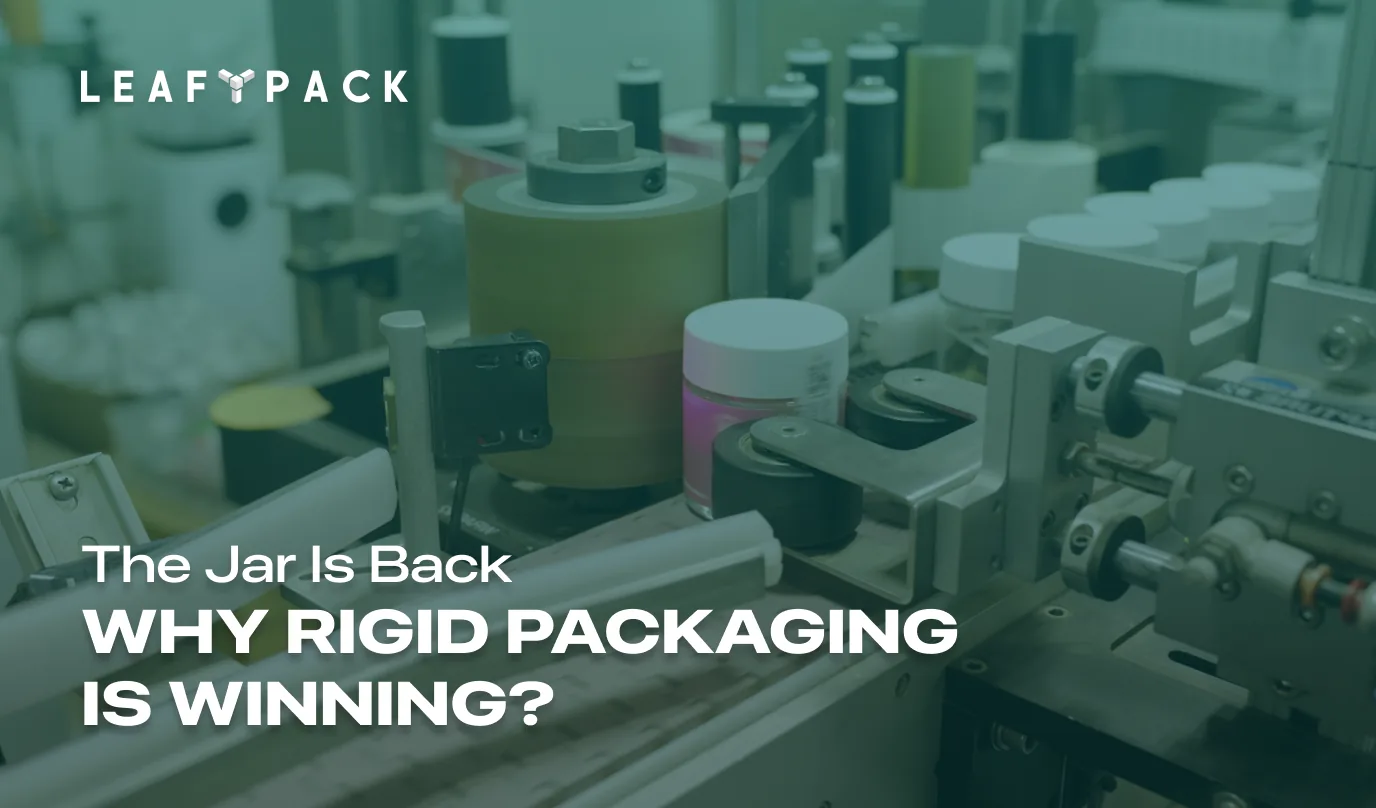
Rigid jars and hard containers are winning back cannabis shelf space. Why brands are switching and what it means for your packaging line.
Lorem ipsum dolor sit amet, consectetur adipiscing elit, sed do eiusmod tempor incididunt ut labore et dolore magna aliqua. Ut enim ad minim veniam, quis nostrud exercitation ullamco laboris nisi ut aliquip ex ea commodo consequat. Duis aute irure dolor in reprehenderit in voluptate velit esse cillum dolore eu fugiat nulla pariatur.
Block quote
Ordered list
Unordered list
Bold text
Emphasis
Superscript
Subscript
May 25, 2026
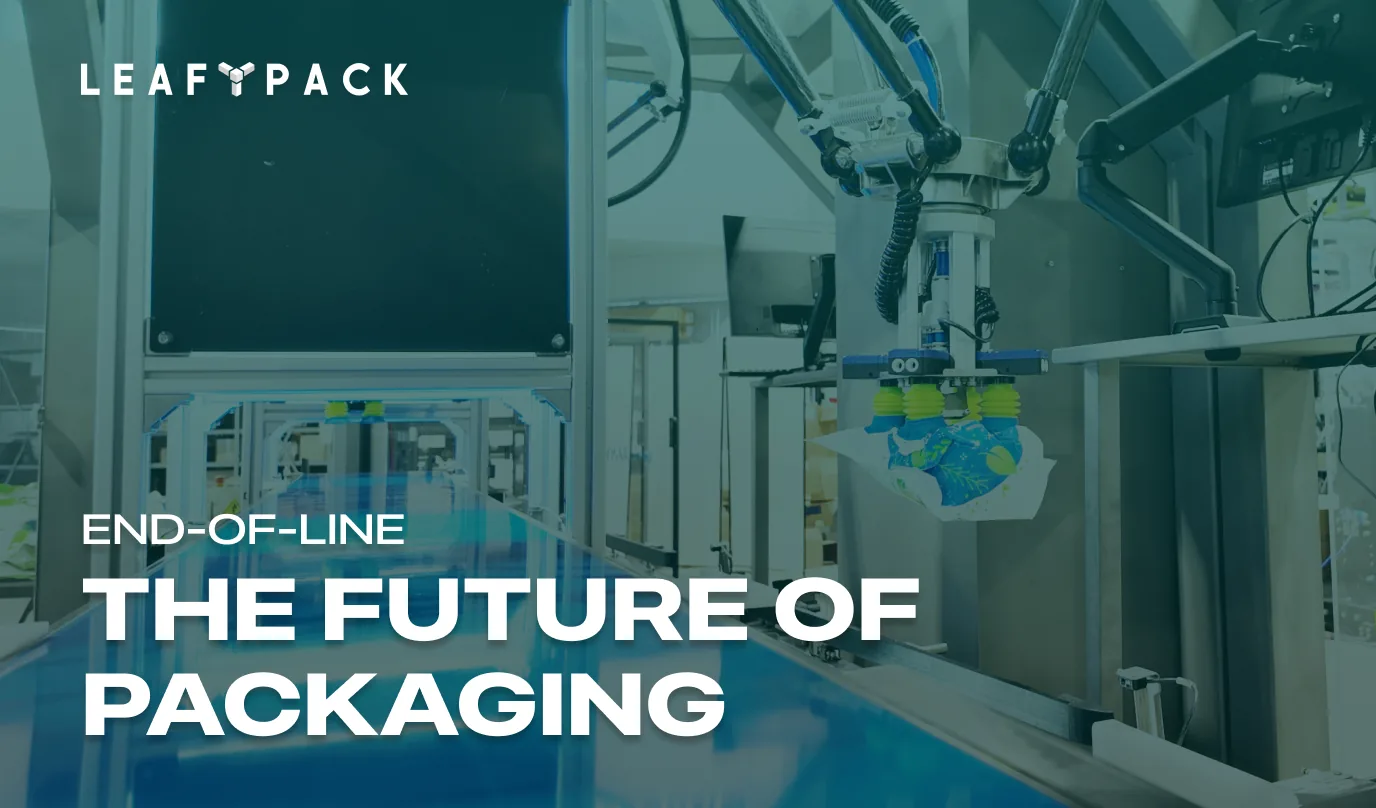
Filling and bagging are solved. The bottleneck now is case packing and palletizing. Why end of line automation is where the next labor savings are.
Lorem ipsum dolor sit amet, consectetur adipiscing elit, sed do eiusmod tempor incididunt ut labore et dolore magna aliqua. Ut enim ad minim veniam, quis nostrud exercitation ullamco laboris nisi ut aliquip ex ea commodo consequat. Duis aute irure dolor in reprehenderit in voluptate velit esse cillum dolore eu fugiat nulla pariatur.
Block quote
Ordered list
Unordered list
Bold text
Emphasis
Superscript
Subscript
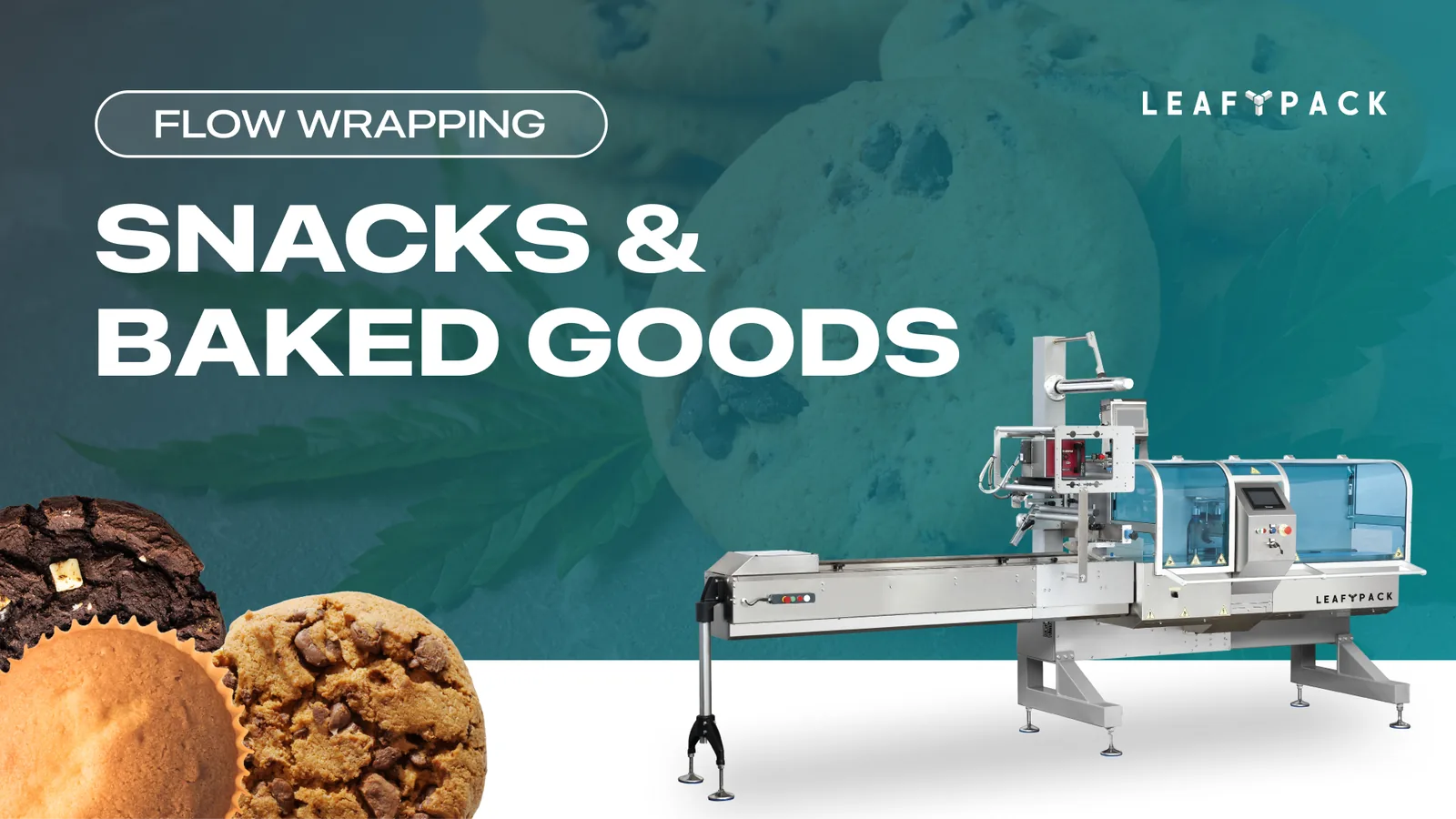
Apr 8, 2026
How horizontal flow wrappers keep muffins, cookies, chocolates and wrapped gummies fresh and presentable, and what to look for in a machine.
Lorem ipsum dolor sit amet, consectetur adipiscing elit, sed do eiusmod tempor incididunt ut labore et dolore magna aliqua. Ut enim ad minim veniam, quis nostrud exercitation ullamco laboris nisi ut aliquip ex ea commodo consequat. Duis aute irure dolor in reprehenderit in voluptate velit esse cillum dolore eu fugiat nulla pariatur.
Block quote
Ordered list
Unordered list
Bold text
Emphasis
Superscript
Subscript
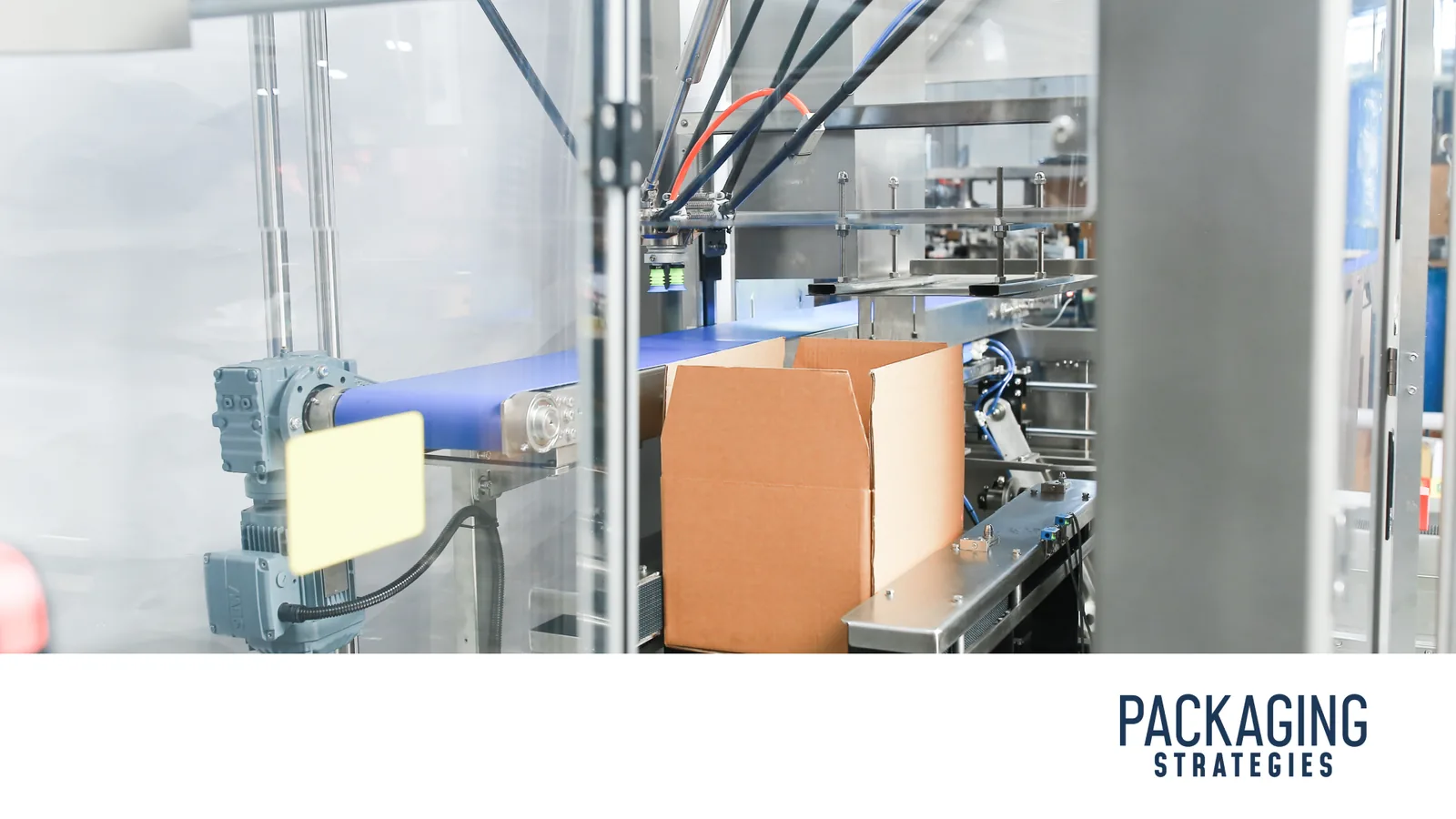
Mar 4, 2026
Explore how next‑generation high‑tech end‑of‑line packaging systems and advanced vision‑enabled controls are reshaping production, improving consistency, and.
Lorem ipsum dolor sit amet, consectetur adipiscing elit, sed do eiusmod tempor incididunt ut labore et dolore magna aliqua. Ut enim ad minim veniam, quis nostrud exercitation ullamco laboris nisi ut aliquip ex ea commodo consequat. Duis aute irure dolor in reprehenderit in voluptate velit esse cillum dolore eu fugiat nulla pariatur.
Block quote
Ordered list
Unordered list
Bold text
Emphasis
Superscript
Subscript
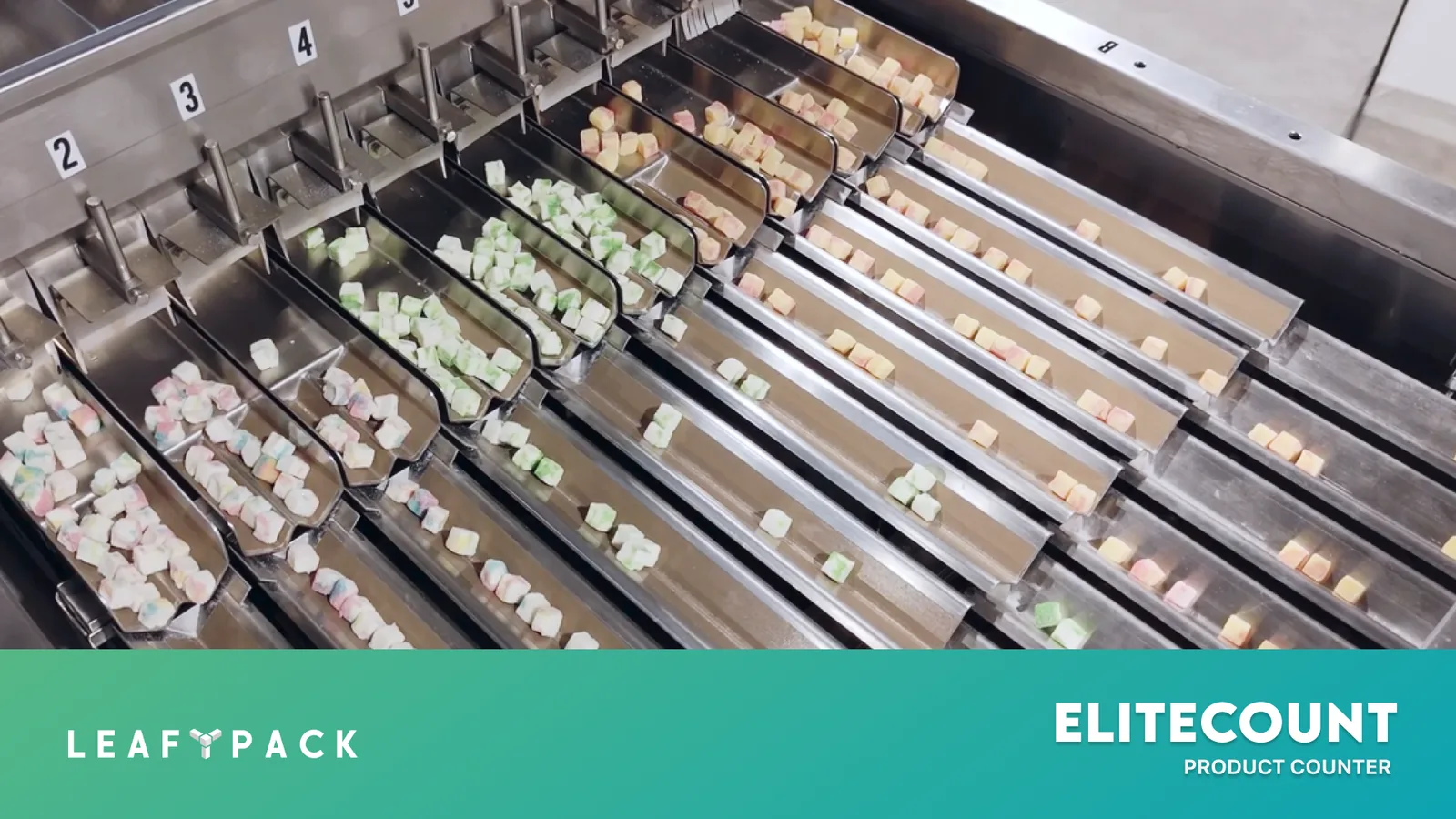
Mar 4, 2026
Discover how EliteCount’s vision-based piece counting system ensures precise, compliant, and consistent counting for gummies, tablets, capsules, and other.
Lorem ipsum dolor sit amet, consectetur adipiscing elit, sed do eiusmod tempor incididunt ut labore et dolore magna aliqua. Ut enim ad minim veniam, quis nostrud exercitation ullamco laboris nisi ut aliquip ex ea commodo consequat. Duis aute irure dolor in reprehenderit in voluptate velit esse cillum dolore eu fugiat nulla pariatur.
Block quote
Ordered list
Unordered list
Bold text
Emphasis
Superscript
Subscript
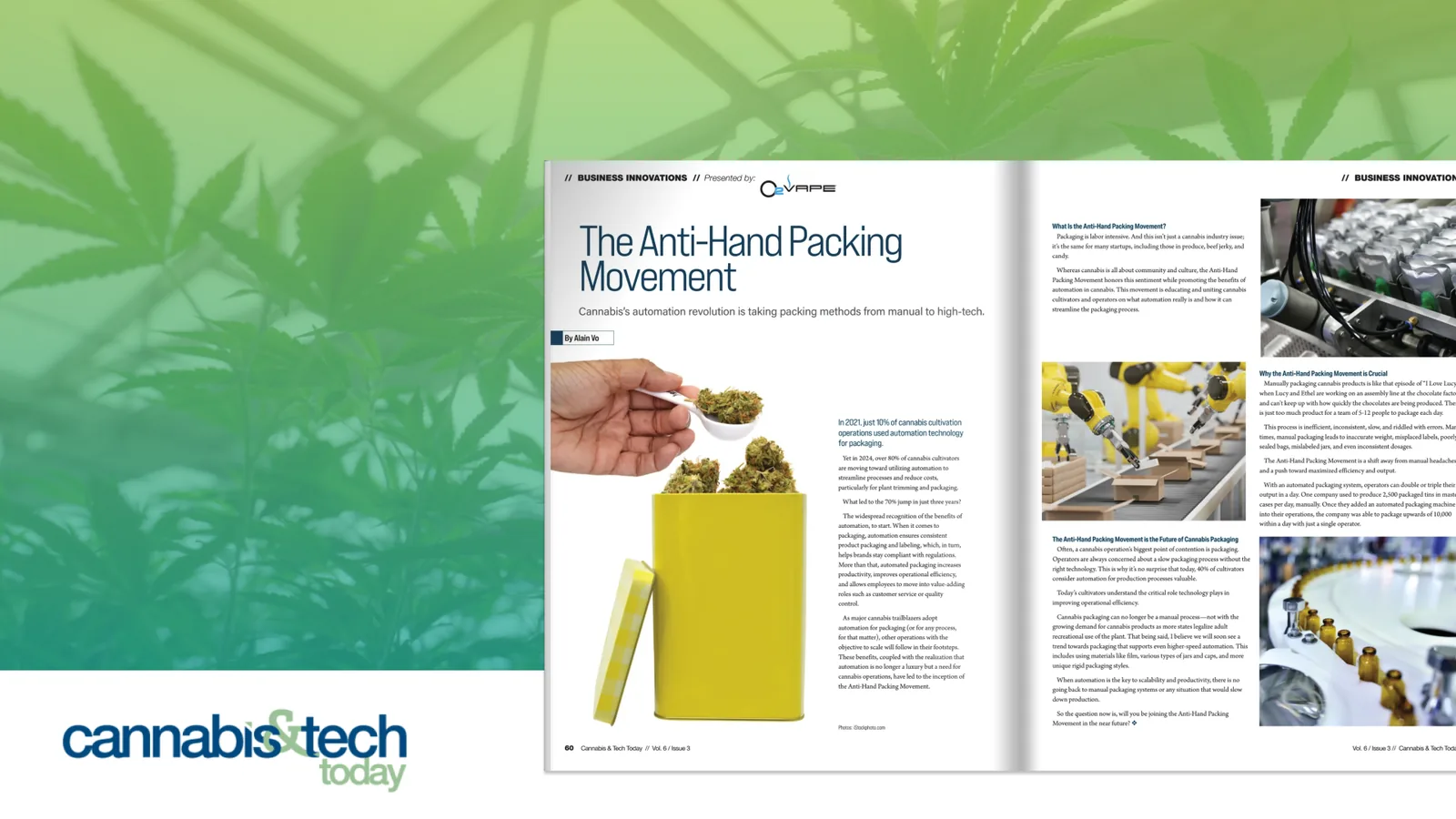
Mar 4, 2026
Discover how the Anti-Hand Packing Movement is transforming manual packing into high-efficiency, automated processes.
Mar 4, 2026
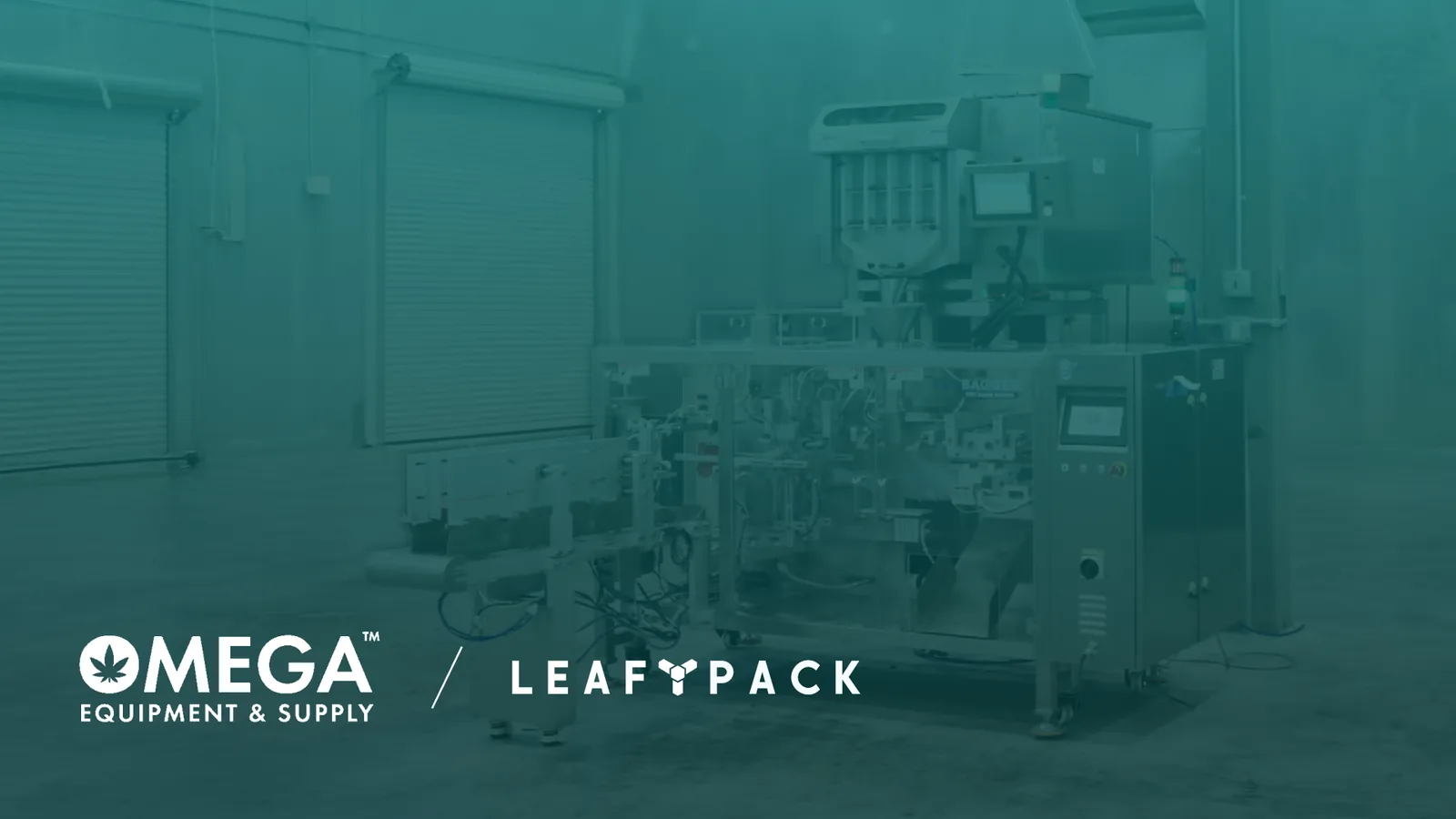
LeafyPack partners with Omega Equipment and Supply to provide integrated automation and facility solutions, combining advanced packaging technology with.

Mar 4, 2026
Join Tech Jam 2024 on December 3rd, a premier tech networking event featuring LeafyPack, Canix, RollPros, and industry leaders.
May 25, 2026
For years, packaging automation has focused on filling, weighing, labeling, and primary packaging. Today, as production volumes increase and labor challenges persist, manufacturers are shifting their attention to another critical area: the end of the line.
Tasks such as product handling, case packing, and palletizing have traditionally relied on manual labor. While effective at smaller volumes, these processes often become bottlenecks as operations grow.
As a result, end-of-line robotics are quickly becoming a key investment for manufacturers looking to improve efficiency, consistency, and long-term scalability.
Manual end-of-line tasks are often some of the most repetitive and labor-intensive processes in a facility. Packing products into containers, loading cases, and preparing shipments can consume valuable labor hours while introducing variability into production.
By automating these tasks, manufacturers can:
The result is a packaging operation that can scale more effectively while maintaining product quality.

One example of this shift is the growing adoption of robotic pick-and-place systems.
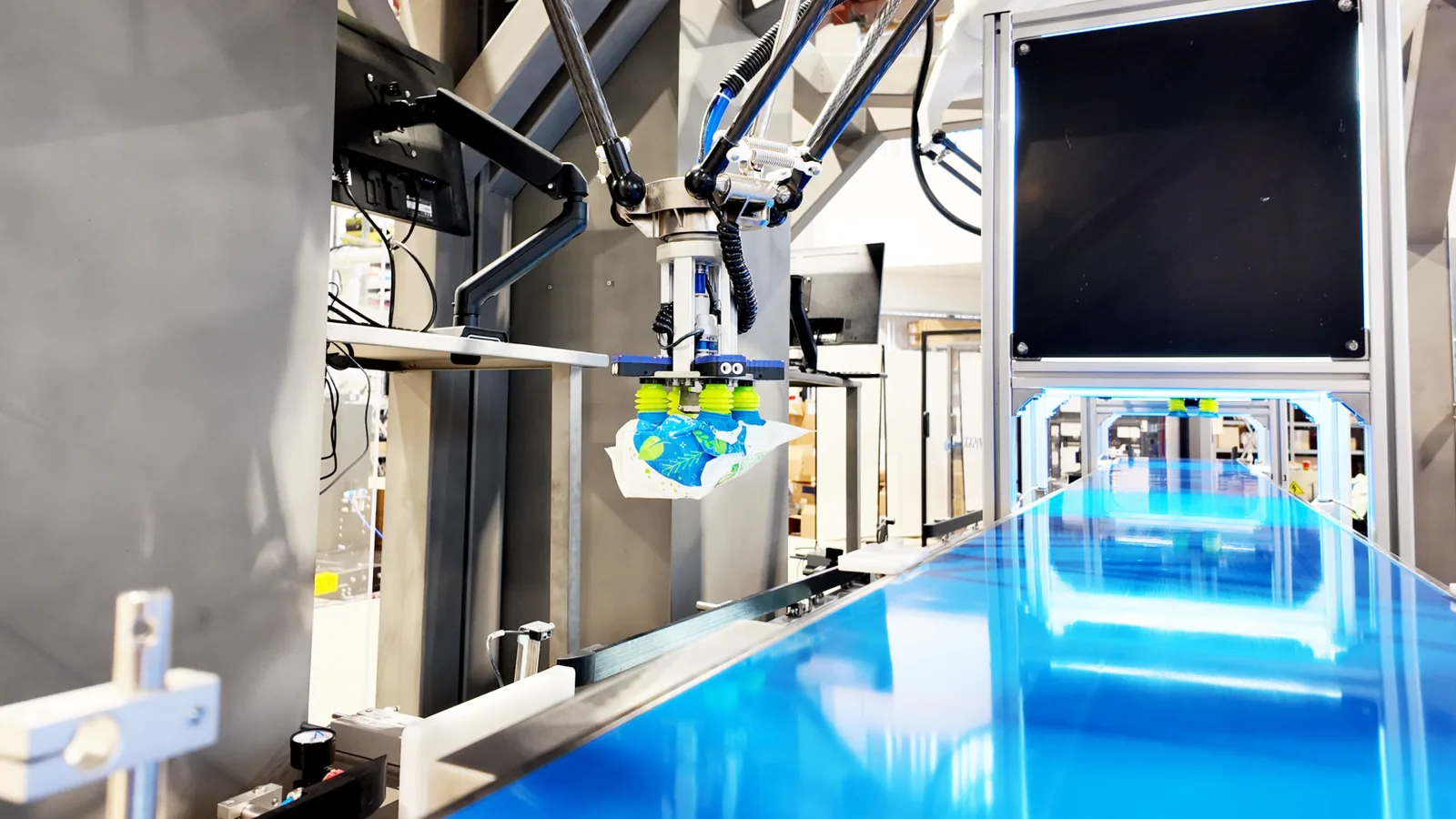
Solutions like LeafyPack's Spyder Pick-and-Place Robot are designed to automatically identify, pick, and place products into final packaging formats with speed and precision. By reducing manual handling, these systems help improve placement accuracy while supporting higher production volumes.
Beyond efficiency, robotic handling also creates a more controlled packaging process, helping manufacturers maintain product presentation and consistency across every package.
As production volumes increase, case packing often becomes one of the most labor-intensive stages of the packaging line.
Systems like the LeafyPack RoboPacker address this challenge by combining case forming, robotic loading, and case sealing into a single automated workflow.
Instead of relying on manual packing, manufacturers can automate the entire process from erecting the case to loading finished products and preparing cartons for shipment.
This not only improves productivity but also helps create a more streamlined path from production to distribution.

Automation is no longer just about replacing individual tasks. Today's manufacturers are looking for systems that improve entire workflows.
Solutions such as the LeafyPack ComboPack help automate multiple packaging steps within a compact footprint, reducing handoffs between processes and improving operational efficiency.
When packaging systems work together, facilities benefit from smoother production flow, greater repeatability, and fewer opportunities for error.

Across manufacturing industries, robotics have evolved from a competitive advantage into essential infrastructure.
Manufacturers are increasingly adopting robotics, vision systems, and intelligent automation technologies to improve productivity, reduce labor dependency, and support future growth.
The same shift is now taking place throughout packaging operations, particularly at the end of the line, where efficiency gains can have a significant impact on overall production performance.

The next evolution of packaging automation is not limited to filling or primary packaging. It extends all the way to the final stages of product handling, case packing, and shipment preparation.
Robotic solutions like Spyder, RoboPacker, and ComboPack demonstrate how manufacturers can reduce manual work, improve consistency, and create more scalable packaging operations.
As production demands continue to grow, end-of-line automation will play an increasingly important role in helping manufacturers stay efficient, competitive, and ready for what's next.
Apr 30, 2026

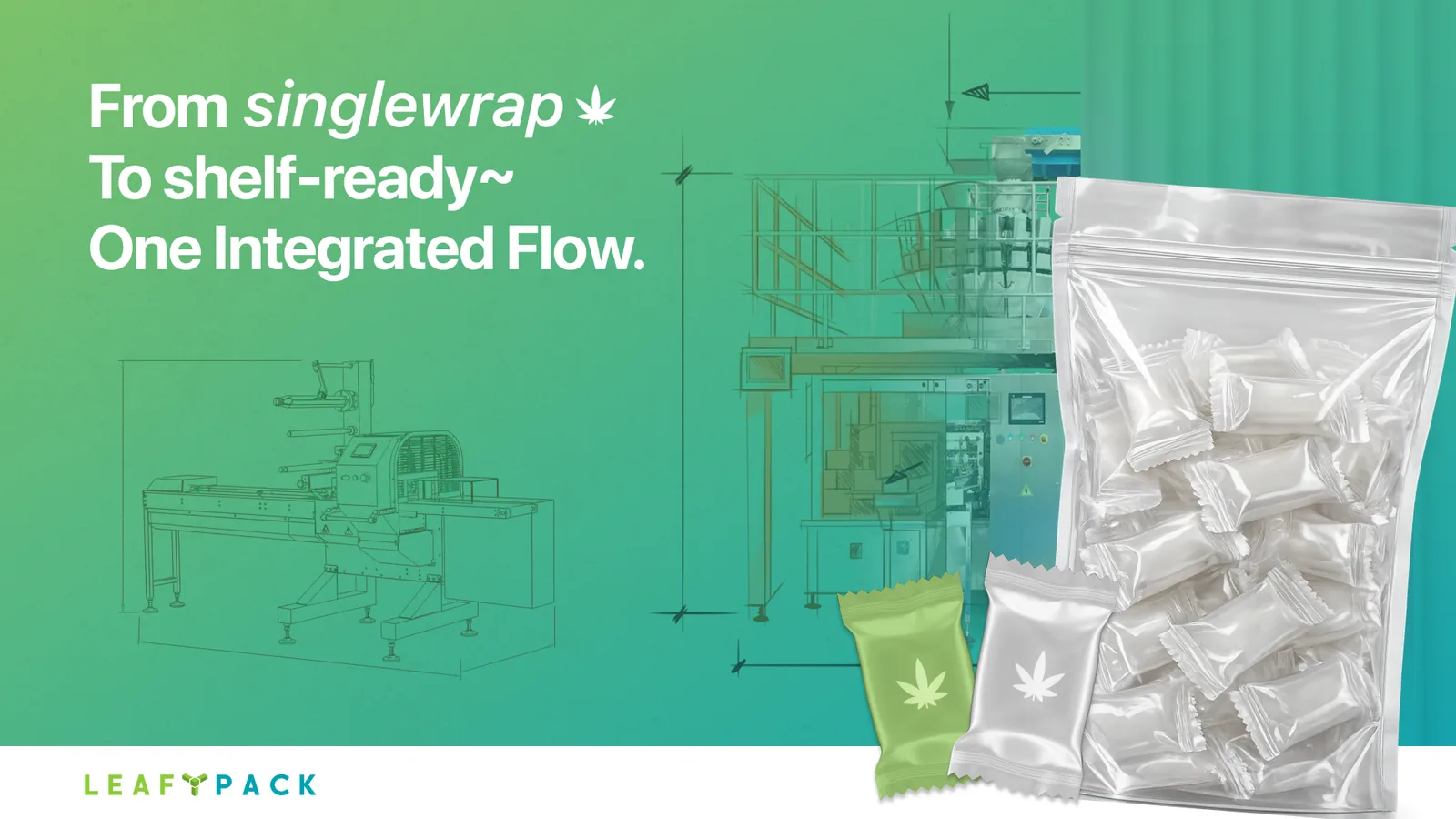
In regulated product packaging, the conversation goes far beyond speed. It’s about protecting product integrity, maintaining freshness, meeting compliance requirements, and delivering a safe, consistent consumer experience, all at once.
This is especially true for products that require additional safety features at the retail level. Many manufacturers adopt a layered packaging approach: individually protected products on the inside, and a compliant, often child-resistant, package on the outside. Across regulated industries, common requirements include tamper evidence, child resistance, and, in some cases, resealability for multi-serving formats.
This “dual-stage” packaging approach has become a practical standard for manufacturers operating in compliance-driven markets.
At the first stage, individual products are wrapped or sealed to:
At the second stage, those individually wrapped products are placed into a premade pouch that delivers:
This structure allows brands to meet packaging requirements without compromising product quality or operational efficiency.

LeafyPack’s Pack Series Flow Wrappers handle the first critical step creating clean, consistent wraps around individual products such as candies, baked goods, and other portioned items.
By flow wrapping at the product level, manufacturers can:
This step ensures each unit is protected before moving into final packaging.

Once products are individually wrapped, they can be efficiently transferred into a secondary packaging system for final bagging.
This is where LeafyPack’s RotoBagger and EcoBagger systems come in.
Designed for premade pouch automation, these machines:
For manufacturers working with compliance-driven packaging formats, this second stage is where key requirements are met without slowing down production.
A layered packaging system doesn’t just meet requirements, it improves overall product quality.
Individual wrapping protects each unit from environmental exposure and handling. The outer pouch then adds another level of protection through strong seals, durable materials, and optional features like resealability.
For products where freshness, texture, and presentation matter, this dual-layer approach makes a measurable difference from production to shelf.

Regulated markets are constantly evolving. Packaging requirements can vary by region, product type, and retail channel.
By combining flow wrapping with premade pouch automation, manufacturers gain the flexibility to:
Packaging today is no longer just about containment it’s about building a system that supports compliance, efficiency, and product quality at every stage.
With LeafyPack’s Pack Series Flow Wrappers and RotoBagger/EcoBagger pouching systems, manufacturers can move seamlessly from individual wrapping to fully packaged, retail-ready products.
Looking to build a packaging system that fits your product and compliance needs? Contact our team to explore a customized solution tailored to your operation.
Jan 16, 2026

In regulated markets, precision and compliance are critical at every stage of production. From cultivation to packaging, every step impact product quality, consumer trust, and regulatory adherence. Among all the steps, weighing is one of the most important but often overlooked processes. Accurate weights ensure consistency, reduce risk, and protect both operators and consumers.

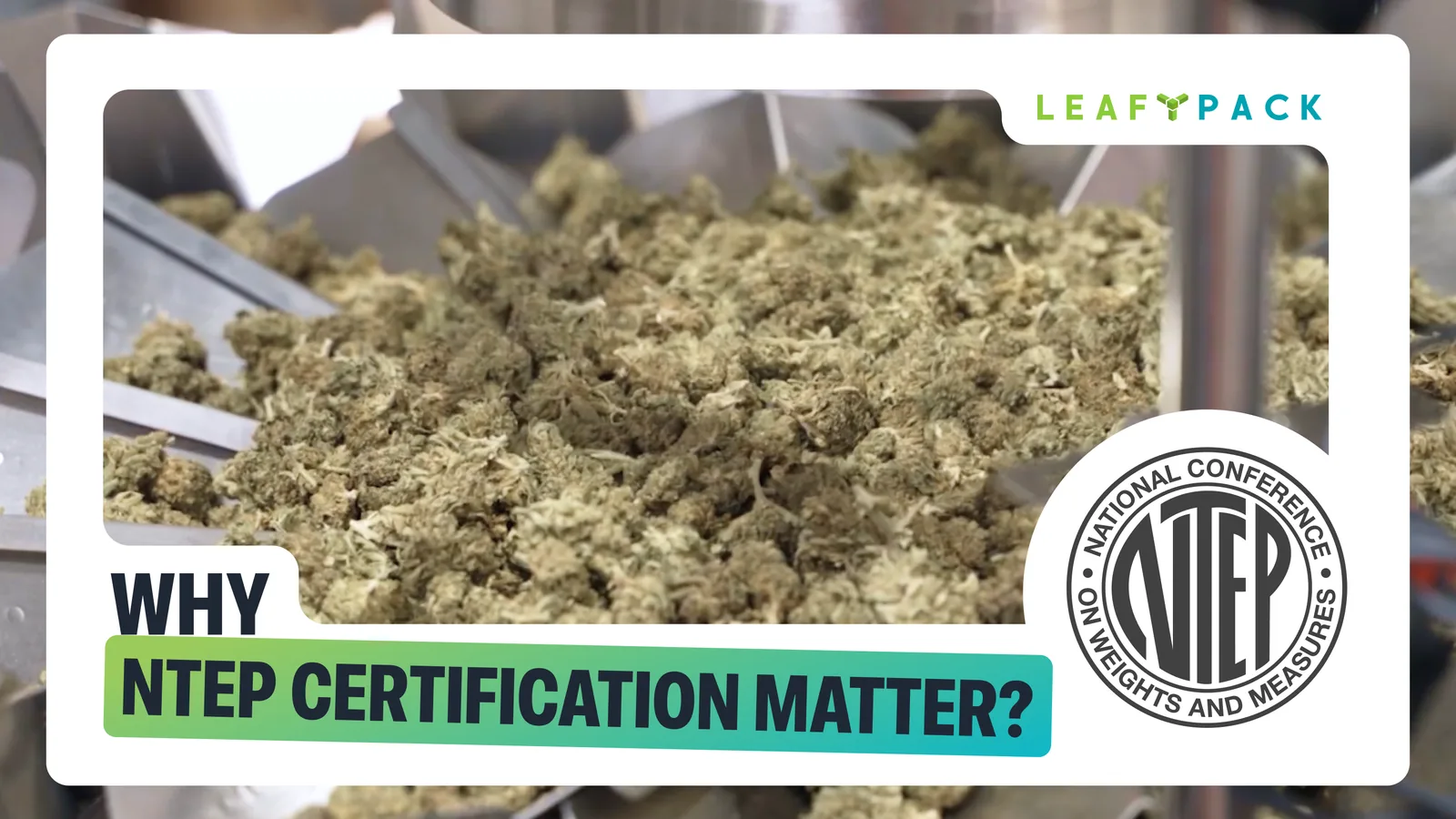
NTEP, or the National Type Evaluation Program, is a certification that ensures weighing systems meet strict standards for accuracy, repeatability, and legal-for-trade use. For flower processors, NTEP-certified scales provide auditable, reliable measurements, giving confidence that every package meets declared weights and regulatory standards.
Without NTEP certification, operators risk under- or over-filling products, which can lead to compliance issues, financial loss, and diminished trust from consumers and regulators alike.
Flowers are delicate. Excessive movement, vibration, or friction during weighing can damage trichomes, alter appearance, and affect overall quality. Traditional scales, or systems adapted from other industries, may not account for these nuances, putting the product at risk.
An NTEP-certified system designed specifically for flowerensures that each bud is handled with care, while still meeting precise weight standards. This combination of accuracy and gentle handling protects the product’s quality, aroma, and visual appeal.

As production grows, manual weighing becomes time-consuming, inconsistent, and prone to error. Automated, NTEP-certified systems deliver repeatable, high-accuracy results across shifts and operators, enabling operations to scale without sacrificing quality.
With repeatable weights and reduced manual handling, teams can focus on efficiency, quality control, and growth, while maintaining the same standards that customers expect from premium flowers.
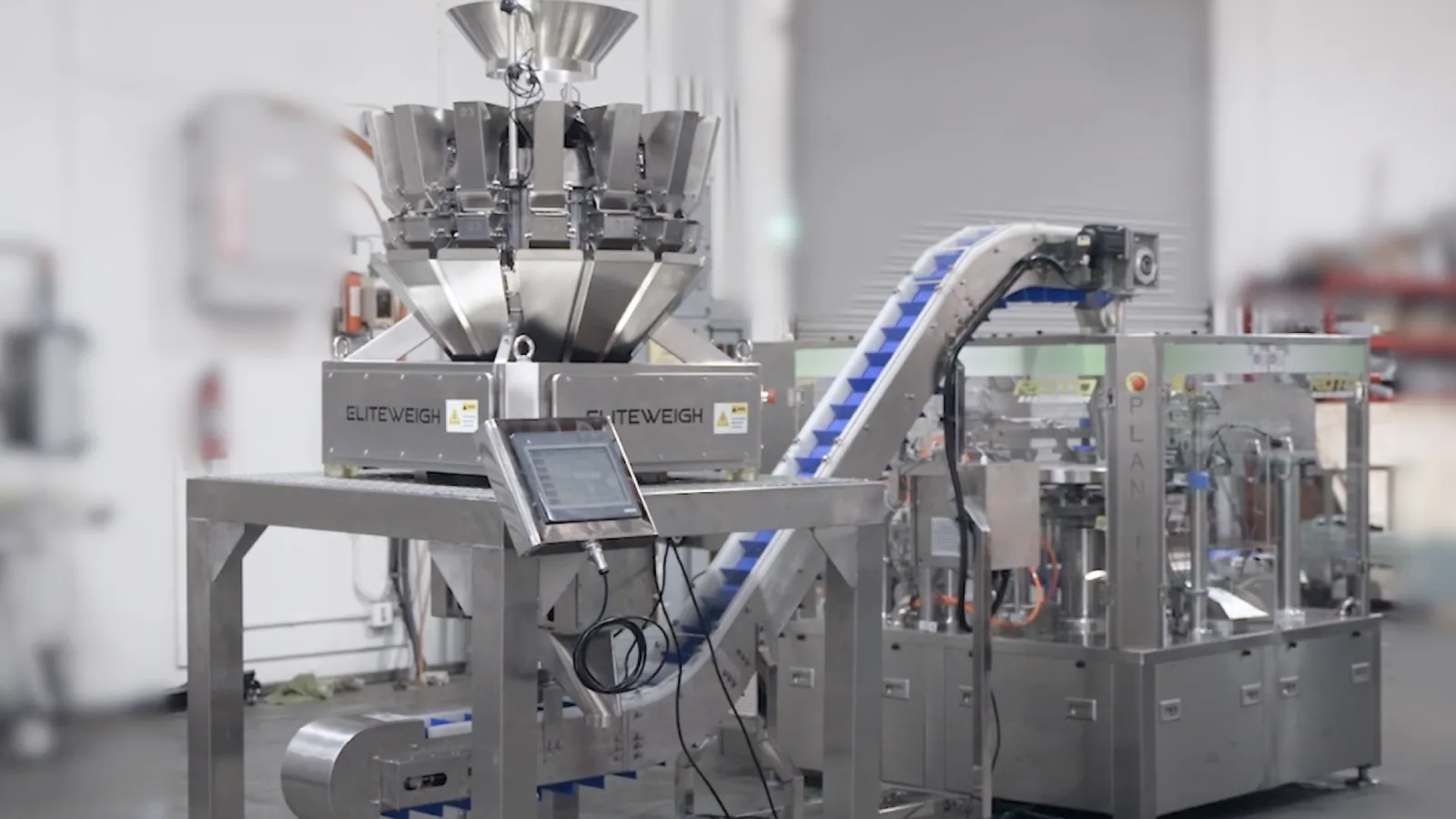
This is where EliteWeigh makes a difference. Designed specifically for flower processing, EliteWeigh combines precision, gentle handling, and full NTEP certification. Whether handling fresh frozen or never-frozen flowers, it:
See how EliteWeigh moves from gentle infeed to precise bagging, every step designed to protect flowers while hitting exact target weights.


Curious to watch the full process in action? Check out the video to see EliteWeigh handle flowers with care, from start to finish.
📞 Give us a call at (702) 433-3880 or tell us a little more about your goals here. We look forward to getting started and building the future of packaging automation together.

Jul 10, 2026

Cannabis packaging has moved in every direction over the past few years: flexible pouches, single-serve bags, pre-roll tubes, tins, boxes, and child-resistant formats. Each format has its place, and flexible packaging still helps brands save on cost and space.
But in the premium space, something familiar is making a comeback: the jar.

Rigid packaging isn't just nostalgia. It's backed by data.
Cannabis is still an experience-driven product. It's a wellness ritual for some, a social product for others, and a gift-worthy purchase for many. Packaging has to communicate value before the product is even opened.
A jar has weight. It has structure. It feels intentional. That difference between "disposable" and "protected and premium" matters most for top-shelf flower, infused confections, and limited releases.
The data backs this up. Consumers say they'd pay up to 26% more for an eighth of flower when the packaging feels special, memorable, or collectible, and 72.5% would pay more for a jar they could reuse or repurpose (Packaging Digest).
Consumers aren't always setting cannabis carefully on a shelf. It's going into backpacks, coolers, tote bags, and glove boxes on the way to the lake, the mountains, a concert, or a weekend trip.
That's where structure earns its keep:

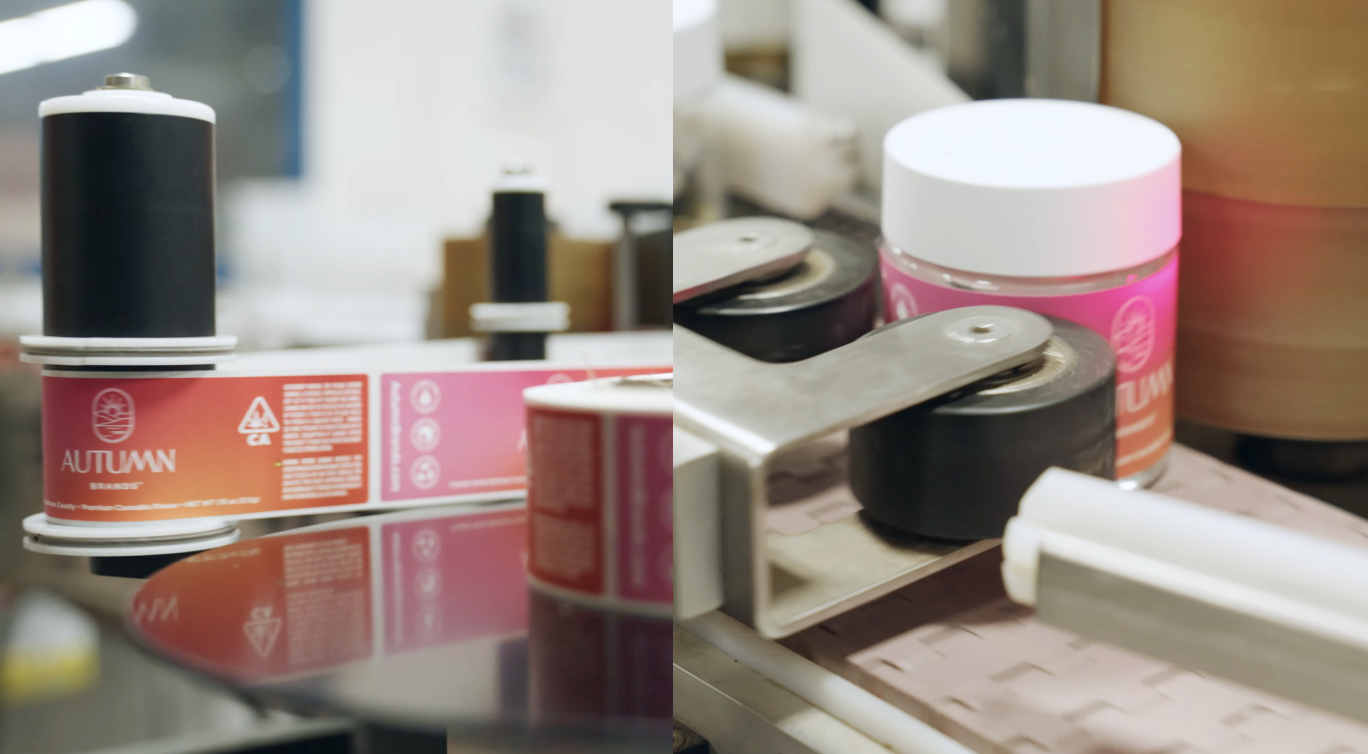
Jars and hard containers give brands more shelf presence to work with: cleaner labels, more elevated design, embossed logos, custom molds, and matte finishes. The package becomes part of the product story, not just a compliance box to check (Fortune Business Insights).
Flexible packaging still plays an important role for high-volume, value-priced, or single-use products. The real shift is brands becoming more intentional about matching the package to the product, the price point, and the customer experience.
As summer brings more travel and on-the-go consumption, it's worth asking:
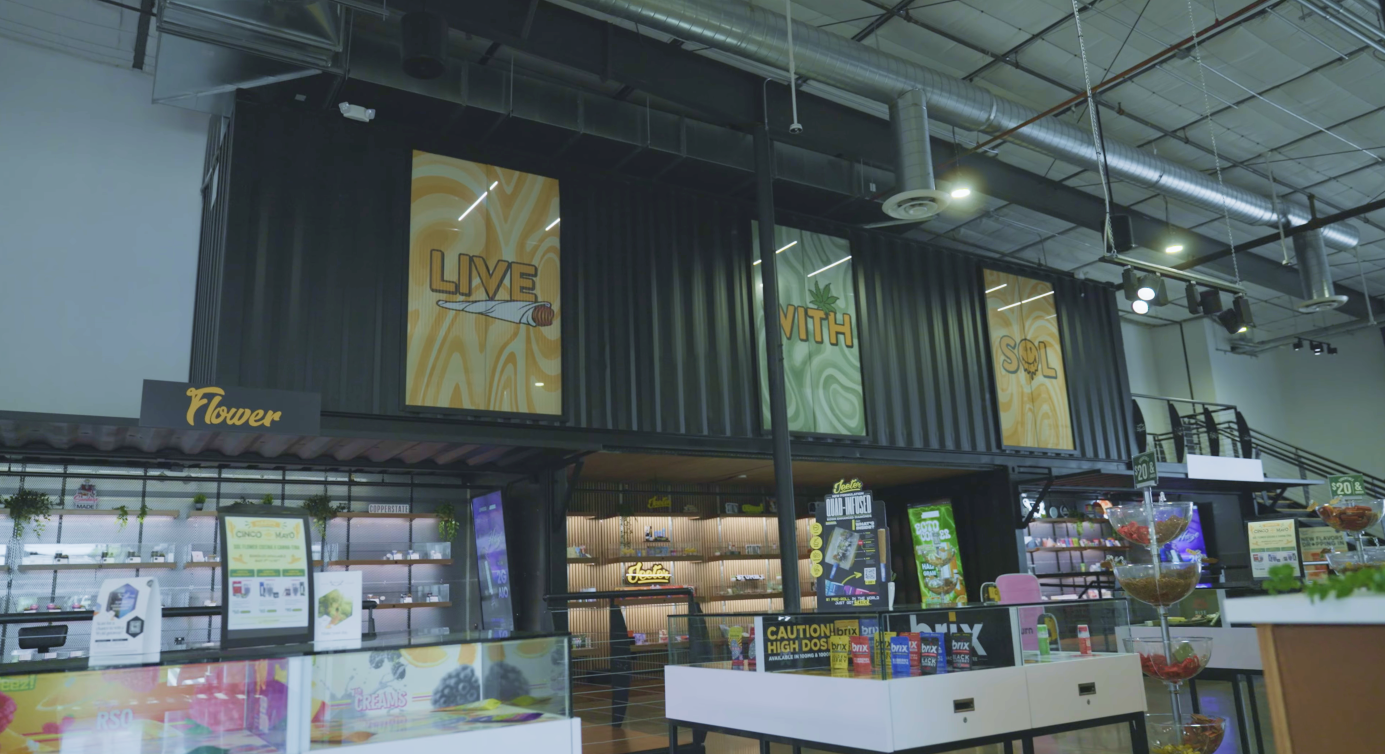
Cannabis brands don't need to choose between flexible and rigid packaging. They need the right format for the right product. For premium flower, specialty edibles, and giftable, outdoor-ready products, jars and hard containers are proving they still have a strong place on the shelf.
The jar is coming back for all the right reasons: protection, presentation, and confidence.
Mar 4, 2026
When every piece matters, counting accuracy isn’t optional it’s critical in regulated edible production.
From infused gummies and chews to tablets, capsules, and other count-based plant-derived products, accurate counting plays a direct role in regulatory compliance, product consistency, and consumer trust. A single miscount isn’t just a quality issue it can create labeling errors, compliance risk, product recalls, or costly rework.
That’s why manufacturers are increasingly turning to advanced, vision-based counting systems designed for regulated production environments.
At LeafyPack, the EliteCount system is engineered to deliver precise, repeatable counts of individual products using high-resolution vision systems and intelligent detection software. Unlike traditional mechanical counters that rely on weight assumptions or basic sensors, EliteCount visually identifies and verifies each individual piece in real time bringing a higher level of accuracy and accountability to modern packaging lines.
Vision systems don’t guess, they see.
As products pass through the counter, EliteCount enables:
This level of verification is especially important in highly regulated industries, where dose accuracy, declared counts, and package consistency are closely scrutinized by regulators and consumers alike.
EliteCount is designed to handle a wide range of edible and solid-dose products, including gummies, chews, tablets, capsules, chocolates, and other single-dose items.
Recipe-driven controls and intuitive interfaces allow operators to change SKUs quickly while maintaining consistent performance, supporting high-mix production environments that demand both speed and precision.
EliteCount is fully compatible with our bagging and jar lines, including the EcoBagger Mini, making it easy to integrate into automated packaging workflows.
Accurate counting protects more than just the package, it protects:
By eliminating overfills, underfills, and manual counting errors, EliteCount helps manufacturers reduce waste, improve throughput, and ensure confidence in every unit that leaves the facility.
When accuracy matters most, vision-based counting makes the difference.
Because in regulated packaging, seeing truly is counting.
Nov 9, 2026
Every gummy package has a number on the label: 10 pieces, 20 pieces, 100 mg per pack. There are two ways to hit that number by machine. You can count the pieces, or you can weigh them. Here is how to choose.
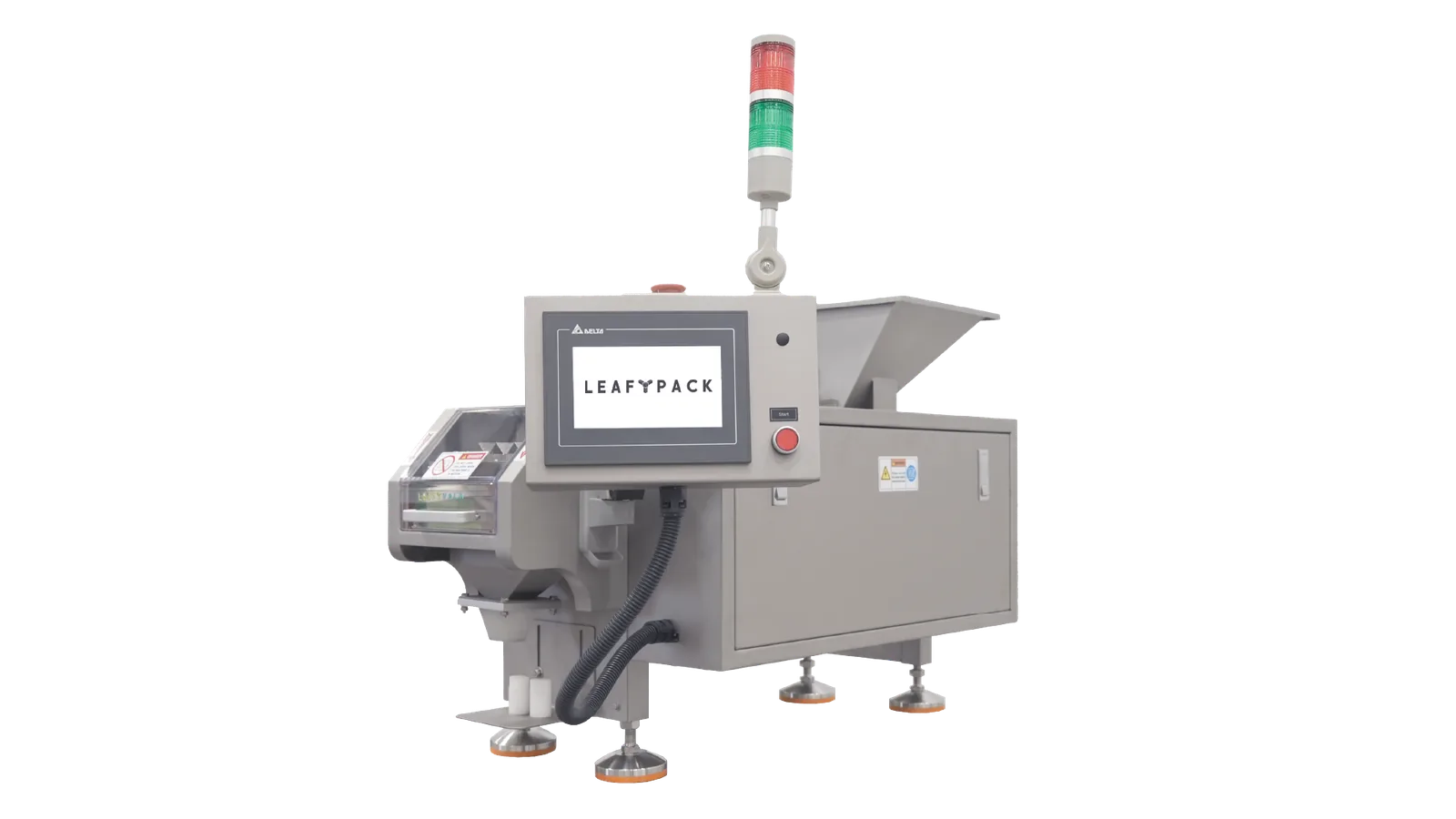
A counter feeds gummies in single file past sensors and counts each one. The EliteCount uses infrared sensors and handles gummies, tablets and capsules from 3 to 10 mm thick and 3 to 30 mm long.
Good for: packs sold by piece count where every pack must contain an exact number, such as 10 gummies at 10 mg each. Regulators and customers both count pieces.
Watch for: sticky or sugar-coated gummies that clump. Two stuck together can read as one. Product needs to be cured and coated so pieces separate.
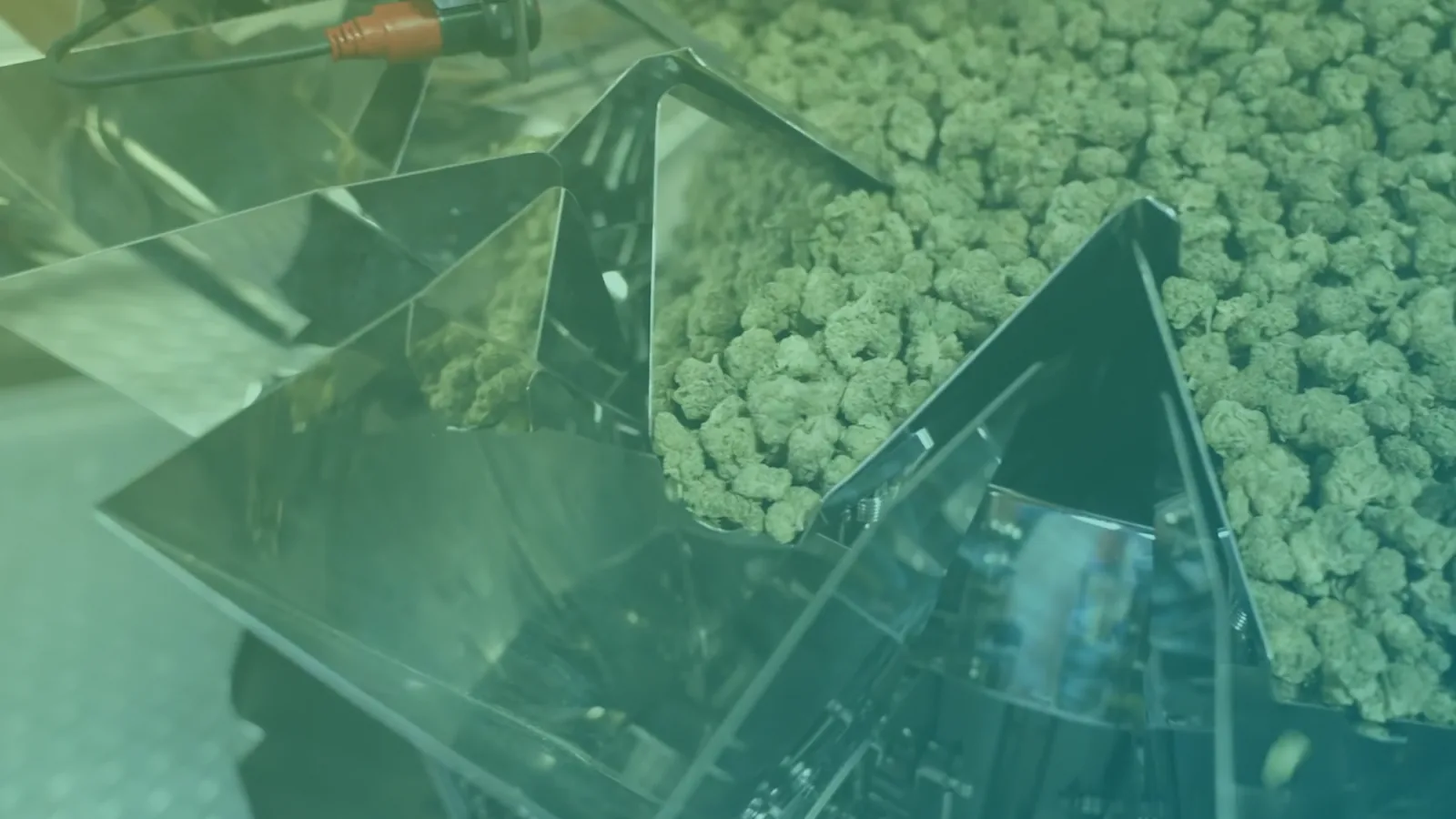
A multihead weigher drops product into many small buckets, weighs each one, and picks the combination of buckets closest to the target. The EliteWeigh multihead weigher comes with 10 to 32 heads. The standard model for edibles is accurate to 0.1 g.
Good for: products sold by net weight, larger pack sizes, and mixed shapes that are hard to count.
Watch for: piece-count labels. If your gummies vary in weight, an exact weight does not guarantee an exact count.
There is a middle path. The EliteWeigh has count-by-weight programs. If each gummy is consistent in weight, the weigher uses piece weight to deliver a count. This works well when your depositor holds piece weight tightly.
Both fillers mount above a pouch bagger or a jar line. For pouches, the RotoBagger runs 25 to 35 bags a minute on edibles and the RotoDuplex runs 50 to 70. For jars and tins, the container filling machine indexes containers under the filler, and a capper and labeler can follow it.
Gummies differ a lot between recipes. Before you choose, send samples and have them run on both a counter and a weigher. The result tells you more than any spec sheet.
For the full line, see our edibles and gummies packaging page.
Tell us your product, your bag and how many units you need per shift. We will tell you which machine fits and what it takes to install it. Contact LeafyPack or call +1 (657) 267-0059.
Nov 9, 2026
Most vape brands still put cartridges into pouches by hand. It is slow, and it is hard to staff. This guide covers what a vape cartridge packaging machine does and what to check before you buy one.
The pouches are small. A standard pouch bagger is built for bags 90 mm wide and up. Cart pouches are often 60 to 100 mm wide. The product is also awkward: a 510 cartridge is narrow and top-heavy, and an all-in-one device is flat and wide. Each one needs to drop straight into the bag without hanging up on the zipper.
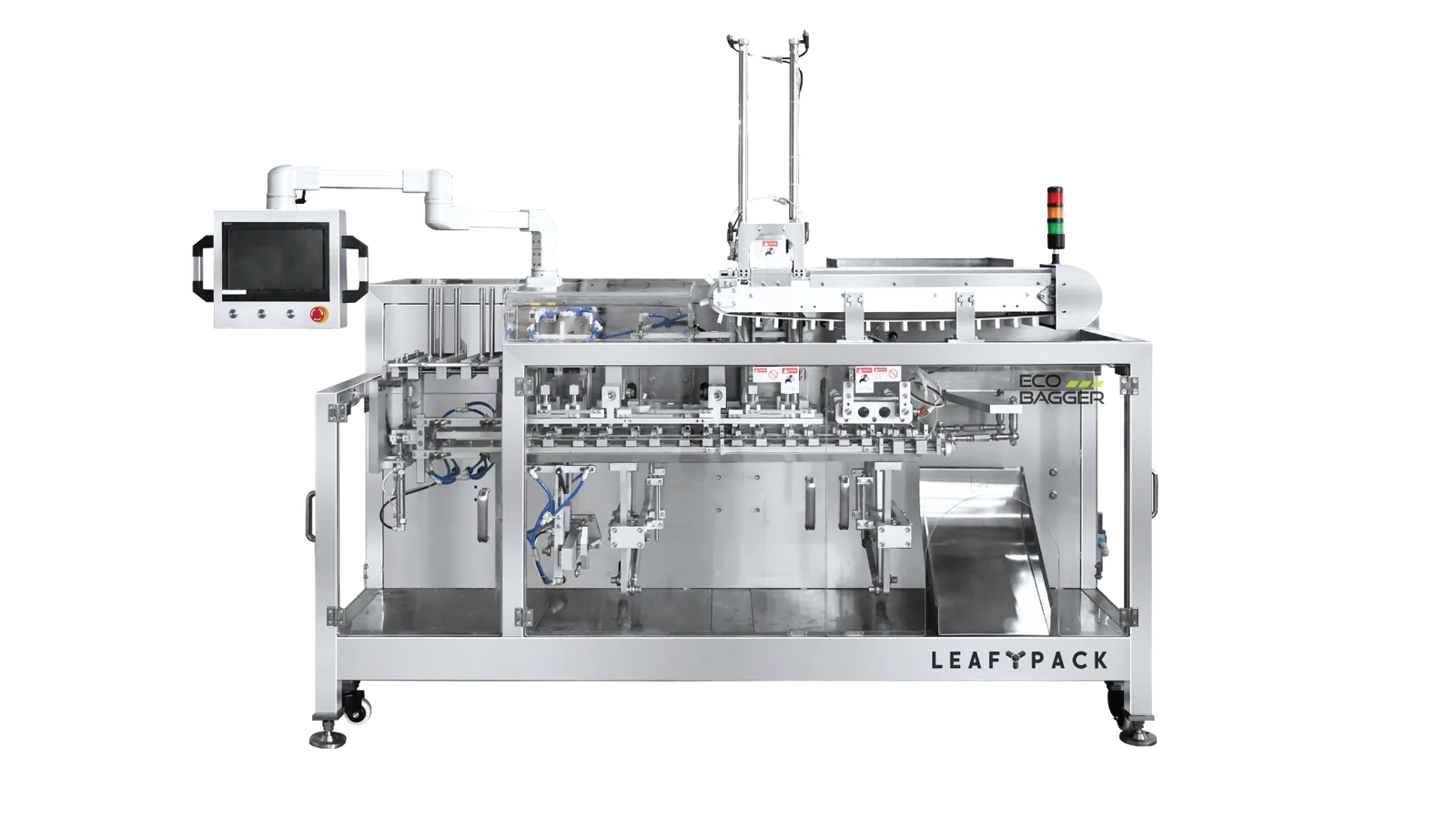
The EcoVape is a pouch bagger built for small products in small bags. It opens, fills and seals two pouches at a time.
Each product has its own funnel set. A 510 cart funnel guides a narrow cylinder. An AIO funnel guides a flat device. To change products, the operator picks the recipe on the touchscreen and swaps the funnels.
The EcoVape runs on 220 V single phase power and needs about 15 CFM of air at a steady 90 PSI. Steady is the key word. If pressure dips when another machine cycles, the bagger faults. Give it a compressor with enough reserve.
The EcoVape works with any filling system that feeds product to the funnels. After the bagger, a pouch labeler applies compliance labels at 20 to 60 pouches a minute depending on the label and product.
Count how many people bag carts on a normal day and how many units they finish in an hour. Compare that with 35 to 50 a minute from one operator. Lead time is 16 to 18 weeks, and financing is available through NEC Financial.
Tell us your product, your bag and how many units you need per shift. We will tell you which machine fits and what it takes to install it. Contact LeafyPack or call +1 (657) 267-0059.

Feb 27, 2025

Trade shows provide valuable opportunities for businesses in the regulated products and automation sectors to network, showcase their products, and stay updated on the latest trends. Attending these events can help companies gain insights, build lasting relationships, and maintain a competitive edge in the market.
This article explores why attending trade shows is crucial and how to maximize your experience.
Networking Opportunities
Trade shows create an environment where businesses can connect with industry professionals, potential customers, and suppliers. These connections often lead to valuable partnerships, collaborations, and increased business opportunities. Attending events like MJBizCon can expand your network and strengthen industry relationships.
Showcasing Your Products and Solutions
Exhibiting at trade shows allows companies to present their products, services, and machinery. For example, showcasing advanced automation equipment such as the Apollo Pro Pre-Roller or RotoBagger can demonstrate expertise, build brand awareness, and attract new leads. A strong trade show presence highlights innovation and reliability in your offerings.
Staying Informed on Industry Trends
Many trade shows feature seminars, workshops, and keynote presentations that provide insights into market trends, regulations, and technological advancements. Staying informed enables businesses to make strategic decisions, adopt new innovations, and stay ahead in a rapidly evolving industry.
Plan Ahead
To maximize your impact, research the event schedule, identify key exhibitors and speakers, and set clear goals for your attendance. Identify the major industry gatherings you want to attend, such as MJBizCon and plan your schedule accordingly.
Engage with Attendees and Exhibitors
Be proactive in conversations. Ask questions, share insights, and learn from peers and industry leaders. Meaningful interactions at trade shows can lead to lasting partnerships and future business opportunities.
Follow Up After the Event
Post-event follow-ups are critical. Reach out to contacts made during the show whether potential customers, suppliers, or collaborators to nurture relationships and explore collaboration opportunities.
Attending trade shows is a strategic investment for businesses seeking growth, exposure, and industry knowledge. By networking, showcasing products like the Apollo Pro Pre-Roller or RotoBagger, and staying informed on the latest trends, companies can maintain a competitive advantage. Planning ahead, engaging with others, and following up post-event ensures you maximize the benefits of these industry gatherings.
Feb 27, 2025

The regulated products market is growing rapidly, and with it comes plenty of questions about packaging solutions. Whether you’re dealing with edibles, oils, or specialty products, packaging is a critical component that ensures safety, quality, and compliance. Drawing from our extensive experience, we’ve compiled answers to the eight most frequently asked questions about packaging lines for regulated products.
A packaging line is designed to protect and secure products for distribution and storage. Core components often include sealing systems, child-resistant closures, or tamper-evident mechanisms. Depending on the product, additional features like vacuum sealing, nitrogen flushing, and UV protection may also be integrated to maintain product quality.
Integration involves aligning the new packaging line with your existing production setup. Key factors include:
The number of systems in a packaging line is primarily determined by available space and operational needs. The goal is to strike a balance between compliance, efficiency, and scalability.
Absolutely. Manual and automated systems can work together, especially for products that require specialized handling. However, adding manual processes to an automated line should be carefully planned to avoid efficiency bottlenecks.
If your current conveyor system is compatible, it can often be integrated into a new packaging line. This may involve adjustments for alignment, height, or connectivity to new equipment.
Packaging lines are typically designed to be compact and space-efficient. Custom layouts can be created to fit your facility, taking into account conveyor routing, equipment footprint, and operational workflow.
Packaging lines can handle a wide variety of product formats—from small pouches or cartridges to larger bulk products. The key is ensuring that the packaging solutions maintain safety, quality, and regulatory compliance.
Products can be transported within the facility using Automated Guided Vehicles (AGVs) for high-volume operations. Manual transport options, such as forklifts or pallet trucks, are also viable depending on facility size and workflow complexity.
Addressing these common questions is crucial to designing and implementing an effective packaging line for regulated products. At LeafyPack, we guide businesses through every step, ensuring your packaging solutions are compliant, efficient, and tailored to your needs.
Reach out today to discuss your project — we’re here to help you achieve optimal performance and product safety.
Mar 4, 2026

Mar 4, 2026

Mar 2, 2026

Feb 27, 2025

As the regulated products market grows, businesses face the dual challenge of increasing production efficiency while complying with stringent packaging regulations. Automating packaging processes has emerged as a vital solution, helping companies streamline operations, ensure compliance, and deliver consistent, high-quality products.
Automated packaging systems dramatically increase efficiency:
Beyond speed, automation ensures superior quality and regulatory adherence:
Automation offers measurable labor advantages:
Automated packaging also aligns with sustainability initiatives:
Regulated markets are dynamic, and automation provides flexibility to adapt:
Automation doesn’t just benefit businesses it enhances the customer experience:
Automating packaging in regulated industries is no longer just an efficiency tool it is a strategic advantage. By improving speed, quality, compliance, sustainability, and adaptability, automation allows businesses to streamline operations while delivering reliable, high-quality products to consumers.
Investing in automated packaging solutions enables companies to reduce labor costs, enhance regulatory compliance, and scale production without compromising quality. For businesses operating in highly regulated markets, embracing automation is a smart way to stay competitive, future-proof operations, and build consumer trust.
Mar 4, 2026

Mar 2, 2026

Feb 27, 2025

As the regulated products market continues to grow, prioritizing environmentally friendly packaging solutions is more important than ever. Sustainable packaging not only reduces waste and environmental impact but also resonates with eco-conscious consumers. This article explores sustainable packaging options and the benefits they offer for both businesses and the planet.
Recyclable Materials
One of the simplest ways to implement sustainable packaging is by using recyclable materials such as paper, cardboard, and recyclable plastics. Choosing materials that can easily be recycled helps reduce waste and minimize the environmental footprint of your products.
Biodegradable and Compostable Packaging
Biodegradable and compostable materials break down naturally over time, reducing waste and lowering environmental impact. Many options are available for businesses, including plant-based plastics, molded fiber containers, and compostable bags, allowing brands to offer eco-friendly solutions without compromising functionality.
Reusable Packaging
Reusable packaging options, such as glass jars or durable containers, encourage consumers to repurpose or return the packaging for refilling. Beyond reducing waste, reusable packaging also conveys a premium, high-quality appearance that can enhance a brand’s image.
Reduced Environmental Impact
Sustainable packaging helps businesses lower waste, decrease their carbon footprint, and minimize overall environmental impact. Implementing eco-friendly solutions demonstrates a commitment to corporate social responsibility and environmental stewardship.
Appeal to Eco-Conscious Consumers
Consumers are increasingly seeking products that align with their values. By offering sustainable packaging, businesses can attract environmentally conscious customers and potentially increase sales.
Enhanced Brand Image
Incorporating eco-friendly packaging communicates a brand’s dedication to sustainability and social responsibility. This differentiation can strengthen brand perception and help businesses stand out in a competitive market.
Embracing sustainable packaging is essential for both environmental stewardship and business success. By considering recyclable, biodegradable, compostable, and reusable options, businesses can reduce waste, appeal to eco-conscious consumers, and enhance their brand image. Sustainable packaging is not just a trend — it’s a strategic choice for a greener future.
Nov 9, 2026
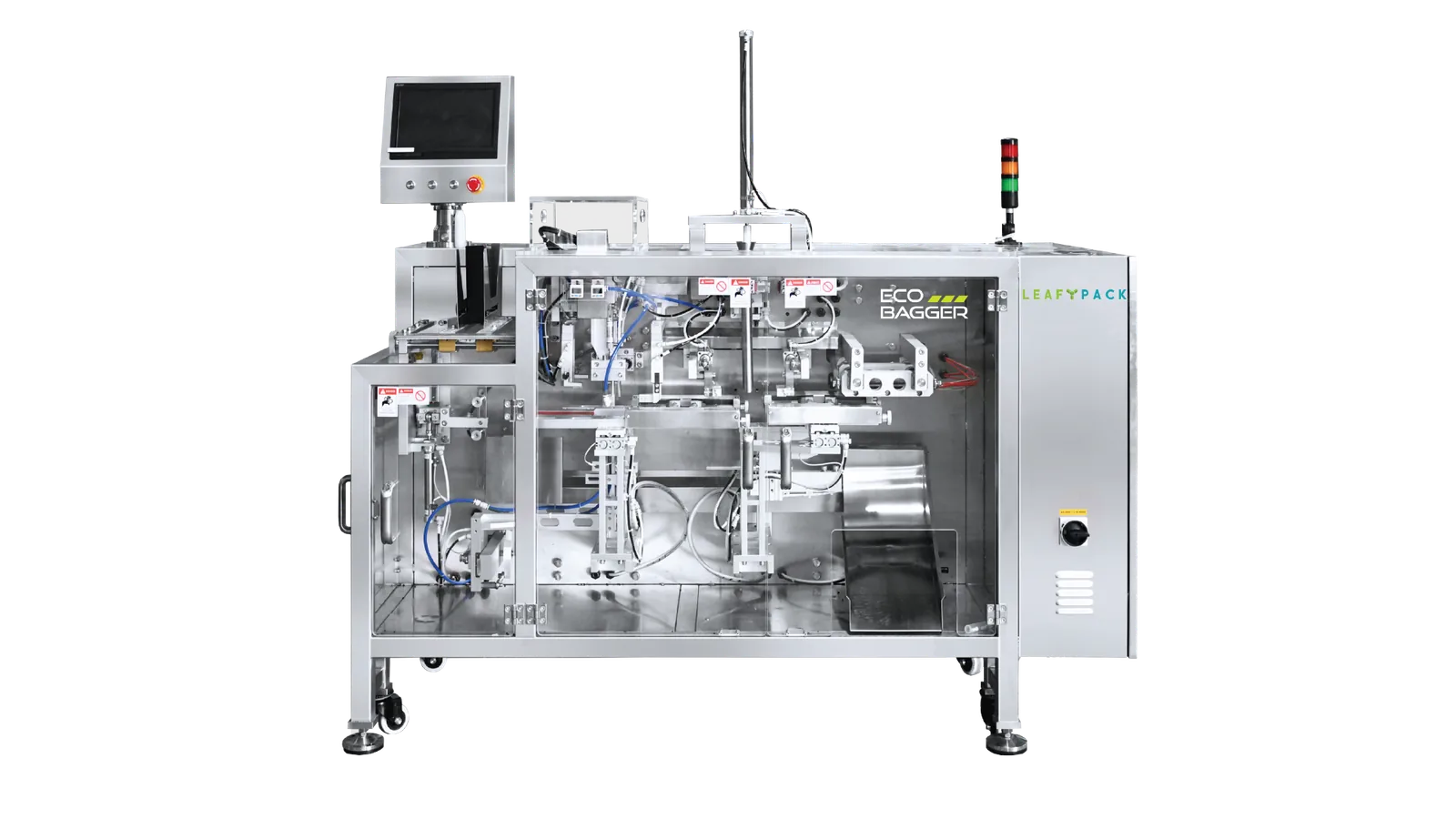
LeafyPack builds two families of pre-made pouch machines. The EcoBagger is the compact line. The RotoBagger is the rotary line built for all-day production. Here is how to pick between them.
The MINI is for operations moving off hand packing. It has a small footprint, runs on single phase power, and changes over in under five minutes without tools. At up to 18 bags a minute it replaces a table of hand packers. It runs pillow, sachet, stand-up, gusseted and zipper pouches.
Pick the MINI if you run one shift, switch SKUs often, and do not have three phase power.
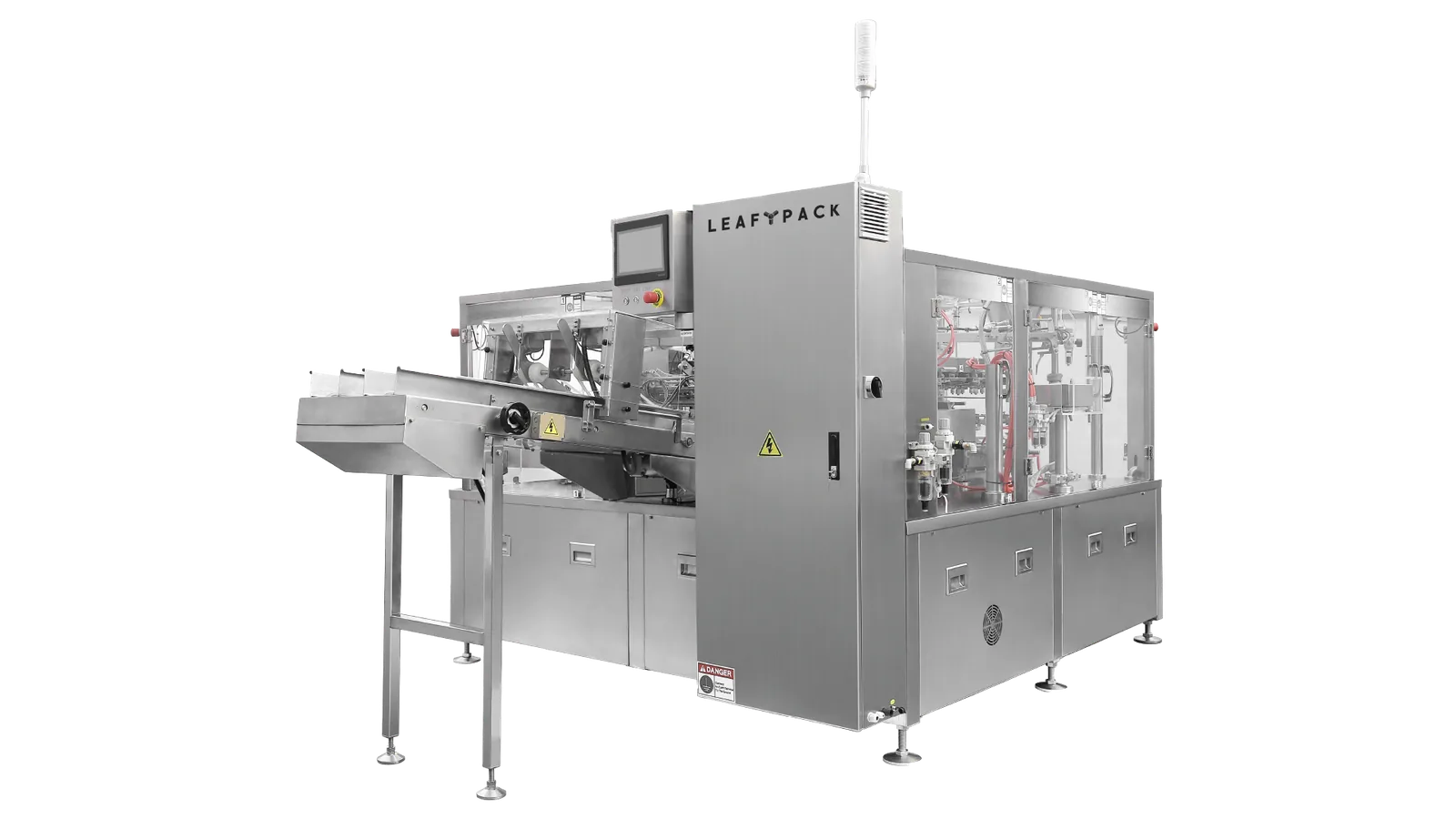
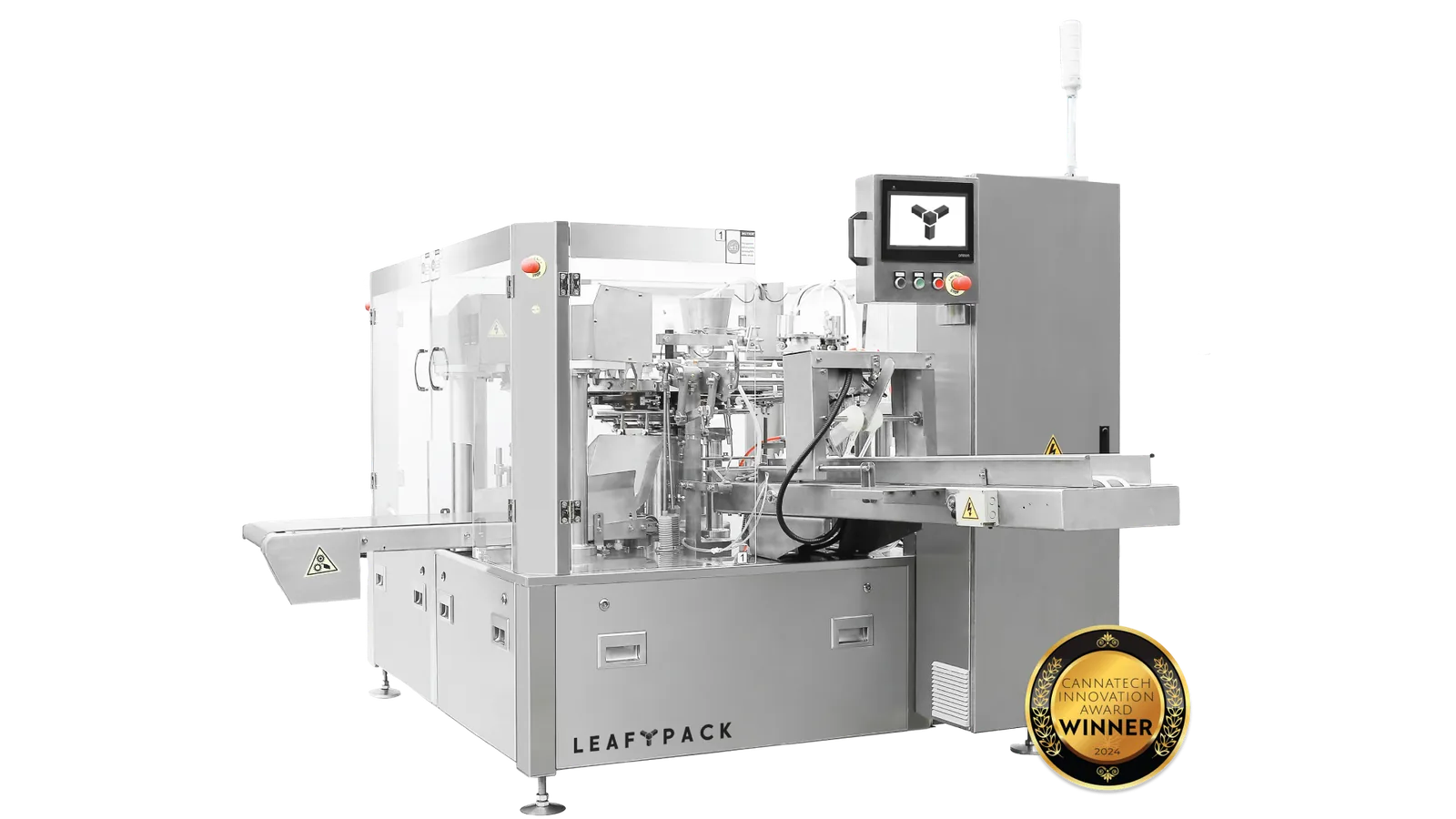
The RotoBagger moves bags around a rotary table, so each station works at the same time: one bag opens while another fills and another seals. That is where the extra speed comes from. It comes in two sizes by bag width. The 1900 takes bags 90 to 190 mm wide. The 2100 takes bags 100 to 210 mm wide. It won a 2024 CannaTech award.
Pick the RotoBagger if you fill more than about 8,000 bags a shift or plan to within a year.
The RotoDuplex fills two pouches per cycle. It pairs with a dual-discharge multihead weigher. One operator still runs it. Pick it when one RotoBagger is not enough and you do not want a second line.
Standard baggers cannot handle the small pouches used for vape cartridges. The EcoVape is built for them. It runs two pouches at a time and uses a funnel set for each product, so 510 carts and AIOs each drop cleanly.
If speed is under 18 a minute and power is single phase, it is the MINI. Past that, it is a RotoBagger.
Tell us your product, your bag and how many units you need per shift. We will tell you which machine fits and what it takes to install it. Contact LeafyPack or call +1 (657) 267-0059.
Nov 9, 2026
There are two ways to put cannabis in a bag by machine. A pre-made pouch machine fills bags that arrive finished. A vertical form fill seal machine, or VFFS, makes the bag from a roll of film while it fills. Both work. They suit different products.
Pre-made pouch machine. You buy printed bags from a bag supplier. The machine picks a bag, opens it, fills it and seals it. The RotoBagger and the EcoBagger family are pre-made pouch machines.
VFFS. You buy printed film on a roll. The machine pulls film over a forming tube, seals the back and bottom, fills, then seals the top and cuts. The MarsCompak is a compact VFFS that makes pillow, stand-up, zipper and gusset bags at up to 80 a minute.
Pre-made pouches cost more per bag, and zippers must arrive pre-opened because no machine opens a zipper. VFFS needs longer runs to pay off, film changeovers take longer, and a formed bag rarely looks as premium as a pre-made pouch.
On flower, a RotoBagger runs 20 to 30 bags a minute and a RotoDuplex runs 35 to 50. Edibles run faster: 25 to 35 and 50 to 70. Food brochures quote higher numbers for the same machines because rice and nuts flow better than flower and do not need the same weight accuracy.
If your brand lives in a printed child-resistant pouch, buy a pre-made pouch machine. If you sell high volumes of a simple bag and care most about cost per unit, look at VFFS. Some operations run both.
Tell us your product, your bag and how many units you need per shift. We will tell you which machine fits and what it takes to install it. Contact LeafyPack or call +1 (657) 267-0059.
Nov 9, 2026
The most common reason a new packaging machine sits idle on day one is the room, not the machine. The power is wrong or the air compressor is too small. Check both before you order.
Many small commercial units only have single phase power. Three phase is common in industrial buildings. Ask your landlord or electrician which you have. If a machine needs three phase and the building does not have it, the fix is a utility upgrade or a phase converter, and both take time. Sort it out during the 16 to 18 week lead time, not after delivery.
PSI is pressure. CFM is volume: how much air the compressor delivers each minute. A pouch machine uses air to open bags, move cylinders and run vacuum. It needs both numbers at the same time. A small shop compressor can reach 90 PSI but cannot hold it while delivering 20 CFM.
Compressed air carries water and oil. Both shorten the life of valves and cylinders, and neither belongs near product. Use a dryer and filters on the line that feeds packaging equipment.
Send a sketch or photos of the room with your power panel and compressor nameplate. We will tell you what fits and what needs to change before the machine ships.
Tell us your product, your bag and how many units you need per shift. We will tell you which machine fits and what it takes to install it. Contact LeafyPack or call +1 (657) 267-0059.

Feb 27, 2025
As the regulated products market grows, businesses must navigate a complex landscape of packaging regulations to ensure compliance and avoid legal issues. These regulations vary by location and are designed to protect consumers, particularly children, and promote safe, responsible use.
This article covers key aspects of packaging regulations and how businesses can ensure their packaging solutions meet necessary requirements.
Child-Resistant Packaging
One of the most critical aspects of packaging regulations is the requirement for child-resistant (CR) packaging. CR packaging is designed to prevent children from accessing the product easily while remaining accessible to adults. Businesses should use packaging solutions that have been tested and certified as child-resistant, such as CR closures or equipment like the Jar Capping Machine or Premade Pouch Packaging Machine.
Tamper-Evident Packaging
Tamper-evident packaging ensures that consumers can quickly identify if a product has been compromised before purchase. Solutions like shrink bands, induction seals, or tamper-evident closures help businesses comply with this requirement and provide an added layer of consumer protection.
Labeling Requirements
Regulated products often require specific labeling elements, including safety warnings, content information, batch numbers, and other relevant details. Businesses should ensure their packaging equipment, such as the Flat Pouch Label Machine, can accommodate these requirements.
State and Local Regulations
Packaging regulations can vary significantly by jurisdiction. This may include labeling requirements, packaging material restrictions, or additional safety features. Businesses should consult legal counsel or regulatory experts to ensure their packaging solutions comply with all applicable rules.
Stay Informed
Regularly monitoring updates to federal, state, and local regulations is essential for staying compliant. Understanding changes in labeling, safety requirements, and packaging standards helps prevent costly compliance issues.
Work with Reputable Suppliers
Choosing experienced packaging suppliers and equipment manufacturers ensures that your solutions meet regulatory requirements. Look for suppliers like LeafyPack that offer compliant packaging solutions and understand industry standards.
Consult with Experts
Legal counsel or regulatory advisors provide valuable guidance for navigating complex packaging rules. Experts can help identify potential compliance gaps and recommend suitable solutions.
Navigating packaging regulations is a critical component of operating a successful business in regulated markets. By staying informed, working with reputable suppliers, and consulting with experts, companies can ensure their packaging solutions comply with regulations while protecting both consumers and their brand reputation.
Nov 10, 2026
It compares what you spend on hand packing today with what the same output costs on one automated line with one operator. Every number is yours. Change any of them and the result updates.
Hand packing labor is people times loaded wage times hours times packing days. The automated number uses one operator per line at the same wage. Customers like Valley Pure went from 4 to 5 people on flower pouches down to 1.
Hand weighing usually runs a little heavy so no bag goes out light. That extra flower adds up. The NTEP EliteWeigh weighs to 0.02 g, so the calculator counts anything you give away above that as recovered product. If you already know your average overpack, put it in. If you do not, weigh 20 finished bags and take the average.
Capacity uses about six running hours per shift and the low end of each machine's speed range. Your product and package decide the real speed, and we confirm that with your samples before you buy.
The calculator does not include machine price, financing, film or pouch costs, or the value of shipping orders sooner. For a real payback period, send us your numbers or call (657) 267-0059. We will quote the right line and show the payback next to it.
Mar 18, 2026
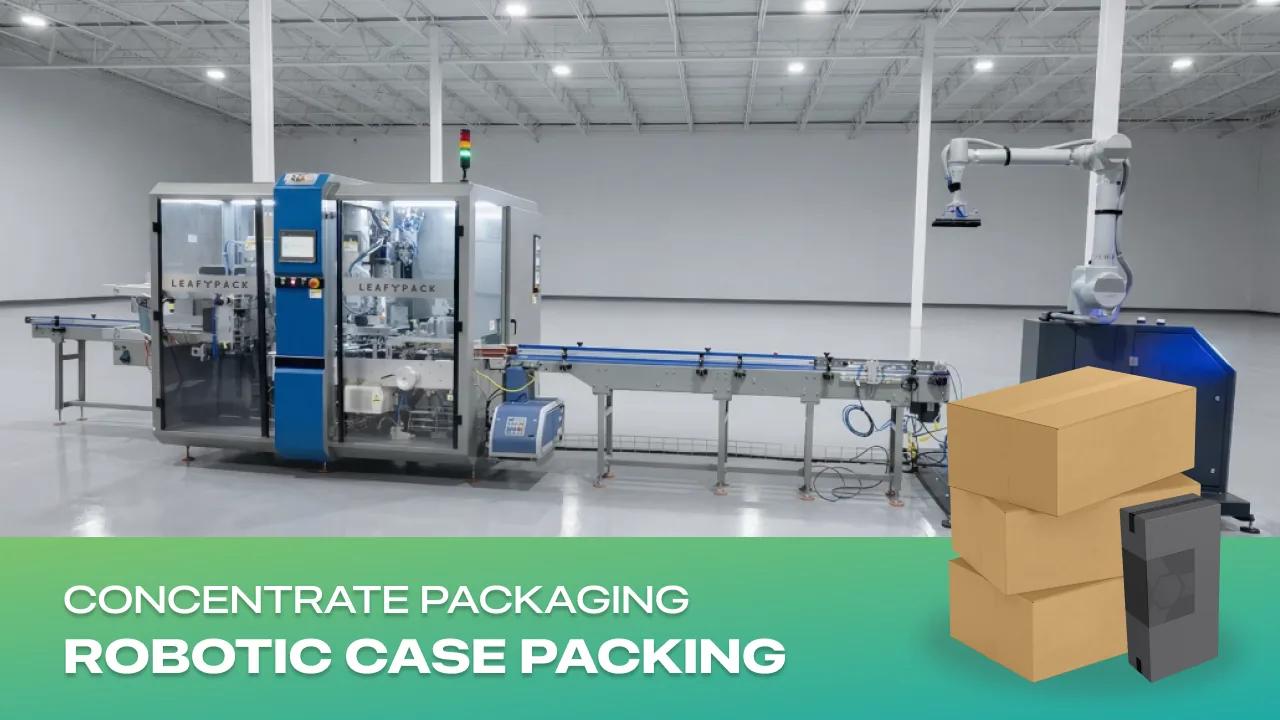
As production scales, end-of-line packaging often becomes the bottleneck. Manual case packing and palletizing slow down throughput, increase labor demands, and create inconsistencies across shipments.
LeafyPack’s robotic case packing and palletizing system streamlines this final stage — automatically loading individually packaged boxes into cartons and stacking finished cases onto pallets, ready for distribution. The entire system is designed with a compact footprint under 20 feet, delivering high-speed performance without taking up valuable floor space.
Once products are packaged into individual boxes, they move into the end-of-line system for final handling. Instead of relying on manual packing, the process is fully automated from infeed to pallet.
Individually packaged boxes enter the system through a controlled infeed conveyor, maintaining consistent spacing and flow for downstream handling.

An ABB robotic pick & place system groups products and loads them into cartons with high precision and repeatability. This ensures consistent packing patterns while reducing product handling errors.

Cartons are automatically formed and sealed using an integrated gluing system, ensuring each case is securely assembled before loading. This adhesive-based process delivers clean, consistent seals while maintaining high throughput and reducing the need for manual intervention.
The system supports multiple carton sizes with a dual carton magazine, allowing for quick changeovers between SKUs without slowing down production.

Once cartons are filled, they move to the end-of-line palletizing stage. The PackMaster cobot palletizer stacks cartons onto pallets in a consistent pattern, creating stable, shipment-ready loads with minimal manual intervention.

Automating case packing and palletizing delivers immediate operational benefits:
LeafyPack’s robotic systems are designed to integrate seamlessly with existing packaging lines, creating a smooth transition from primary packaging to pallet-ready output. With support for multi-SKU production and quick changeovers, the system is built to scale with your operation.
See how the full robotic case packing and palletizing system operates in real time.
Dec 10, 2025
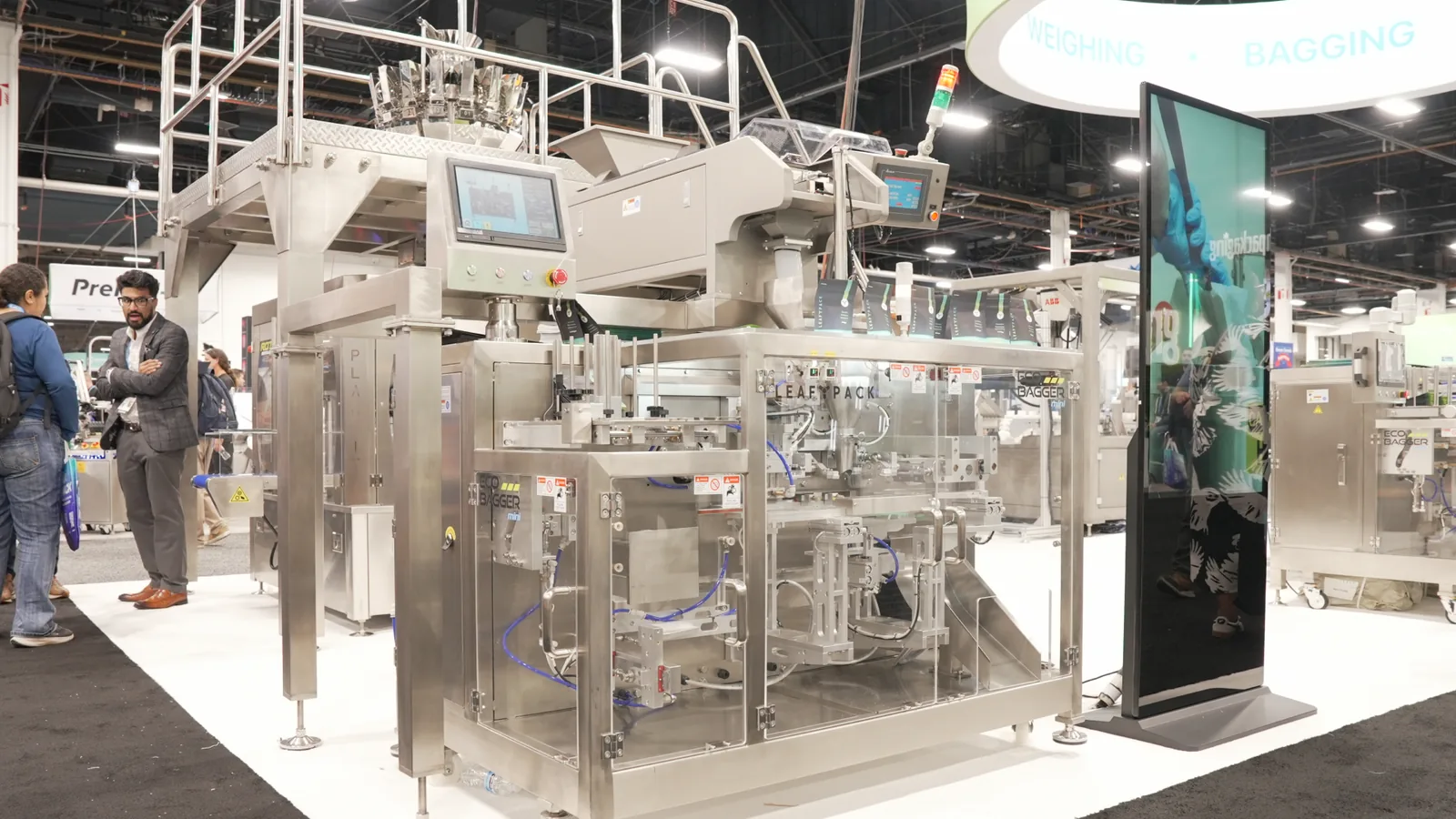
The packaging industry has evolved rapidly, moving from small, manual operations to sophisticated manufacturing environments. Yet much of the equipment on the market still reflects the early days: bulky, single-purpose machines that struggle to adapt to dynamic product lines. At LeafyPack, we believe automation should be nimble, sustainable, and human-centric. Our EcoBagger machine embodies this philosophy, combining robotics with eco-friendly packaging to meet the needs of modern producers.

Traditional bagging machines often require multiple changeovers to accommodate different container types—stand-up pouches, rigid tubes, or compostable bags. The EcoBagger uses a fully servo-driven system with a horizontal bag magazine, automatic zipper opening, and a bag shaker to level product, ensuring seamless operation across various packaging styles. With quick-change grippers and user-friendly software, operators can switch formats in minutes, reducing downtime and maximizing output.
Precision dosing is crucial in packaging. The EcoBagger’s multi-head weighing system ensures each bag or container is filled accurately, preserving product quality and minimizing waste. For delicate or fragile products, its gentle product path reduces damage, while integrated dispensing modules maintain consistency for granular, powder, or piece-based items.
LeafyPack was founded with a vision of sustainability and continuous improvement. The EcoBagger is built from recyclable materials, features energy-efficient servo motors, and supports packaging made from compostable films or recyclable plastics. By enabling precise fills and using pre-made pouches, it reduces product waste and eliminates the scrap typically associated with form-fill-seal systems.
Our automation is also accessible. Advanced robotics traditionally required dedicated engineers, but LeafyPack’s intuitive interface allows small and medium-sized producers to leverage automation without a full-time technical team. Step-by-step setup prompts and built-in diagnostics simplify operation and maintenance, minimizing costly downtime.
In a competitive market, consumers expect packaging that preserves product quality, ensures safety, and reflects brand values. The EcoBagger helps businesses deliver on all three:
The EcoBagger is capable of packaging up to 18-20 bags per minute (35 BPM on Pro models), delivering high-production efficiency in a compact, affordable, and easy-to-use package. Additional features include:
LeafyPack partners with producers across industries to create more efficient, sustainable, and flexible operations. The EcoBagger demonstrates how robotics can reduce labor strain, drive sustainability, and unlock creative packaging solutions.
Contact us today to learn how the EcoBagger can transform your packaging process and elevate your brand.

Mar 2, 2026

Feb 27, 2025
The regulated products market is experiencing rapid growth and transformation. Central to this evolution is the need for efficient, consistent, and safe packaging solutions. While manual packaging has its advantages, technological advancements in automation offer compelling benefits that cannot be ignored. This white paper explores the nuances of modern packaging, the challenges and advantages of both manual and automated methods, and the significance of partnering with industry leaders like LeafyPack to optimize packaging processes.
Packaging is not just about containment it’s about safeguarding products from potential contaminants such as moisture, dust, and UV exposure. Effective packaging ensures that products maintain their quality, integrity, and shelf life from production to the end consumer.
In regulated industries, non-compliance is not an option. Specific regulations may mandate child-resistant closures, tamper-evident features, and accurate labeling. Proper packaging ensures consumer safety while protecting businesses from potential legal risks.
Packaging is often the first point of contact between a product and its customer. Well-designed packaging communicates brand values, assures quality, and builds customer loyalty a critical differentiator in competitive markets.
While manual packaging offers a boutique or artisanal feel, it struggles to match the efficiency of automated systems:
Repetitive manual tasks can lead to significant health challenges:
Manual packaging incurs escalating costs due to:
Myth: Automation damages delicate products.
Reality: Modern automated systems are designed for gentle handling, often preserving product quality better than manual processes.
Myth: Automation compromises product quality.
Reality: Automated systems integrate advanced sensors and vision systems that detect inconsistencies, ensuring high-quality, uniform output.
Myth: Automation is prohibitively expensive.
Reality: Although initial investment is significant, automation delivers long-term cost savings, scalability, and consistent production providing strong ROI over time.
Partnering with LeafyPack provides businesses with cutting-edge solutions in automated packaging:
Businesses in regulated industries face a pivotal choice: continue with traditional manual methods or embrace the efficiency, consistency, and scalability of automation. While manual packaging has its niche applications, the trend is clearly toward automated solutions.
By partnering with industry leaders like LeafyPack, businesses can achieve a smooth transition to automated packaging, combining human expertise with technological innovation to secure efficiency, compliance, and profitability. The future of packaging is a blend of precision, speed, and reliability — and automation is at the forefront.

Feb 27, 2025
In today’s competitive business landscape, embracing automation is essential for staying ahead. However, the upfront investment for advanced production equipment can be a barrier for many businesses. LeafyPack’s financing options provide a practical solution, allowing companies to upgrade their operations while preserving cash flow.
Automation equipment offers long-term benefits such as:
Yet the initial capital required can be significant, particularly for small and medium-sized businesses. Financing turns this challenge into an opportunity, enabling growth without compromising financial stability.
LeafyPack provides flexible financing plans designed to make automation accessible:
Customized Plans for Every Business
LeafyPack tailors financing solutions to different operational needs, making automation achievable for a variety of cash flow models.
Success Stories
For example, a small manufacturing firm increased production by 70% after automating its assembly line using LeafyPack financing, demonstrating the tangible benefits of structured support.
Cost-Benefit Analysis
The direct and indirect savings from automation often outweigh financing costs, resulting in a profitable long-term investment.
Financing automation equipment through LeafyPack is more than a financial decision, it’s a strategic investment in growth, innovation, and operational excellence. With the right financial partner, businesses can adopt automation confidently, boosting productivity, efficiency, and sustainability while preparing for future market opportunities.
Mar 4, 2026
Nov 11, 2026
Articles written by our CEO, Alain Vo, for the packaging and cannabis trade press, plus coverage of LeafyPack. Each link opens the original article on the publisher's site.
Reporters and editors can reach us at (657) 267-0059 or through the contact page. Customer results are on the case studies page.
Mar 4, 2026
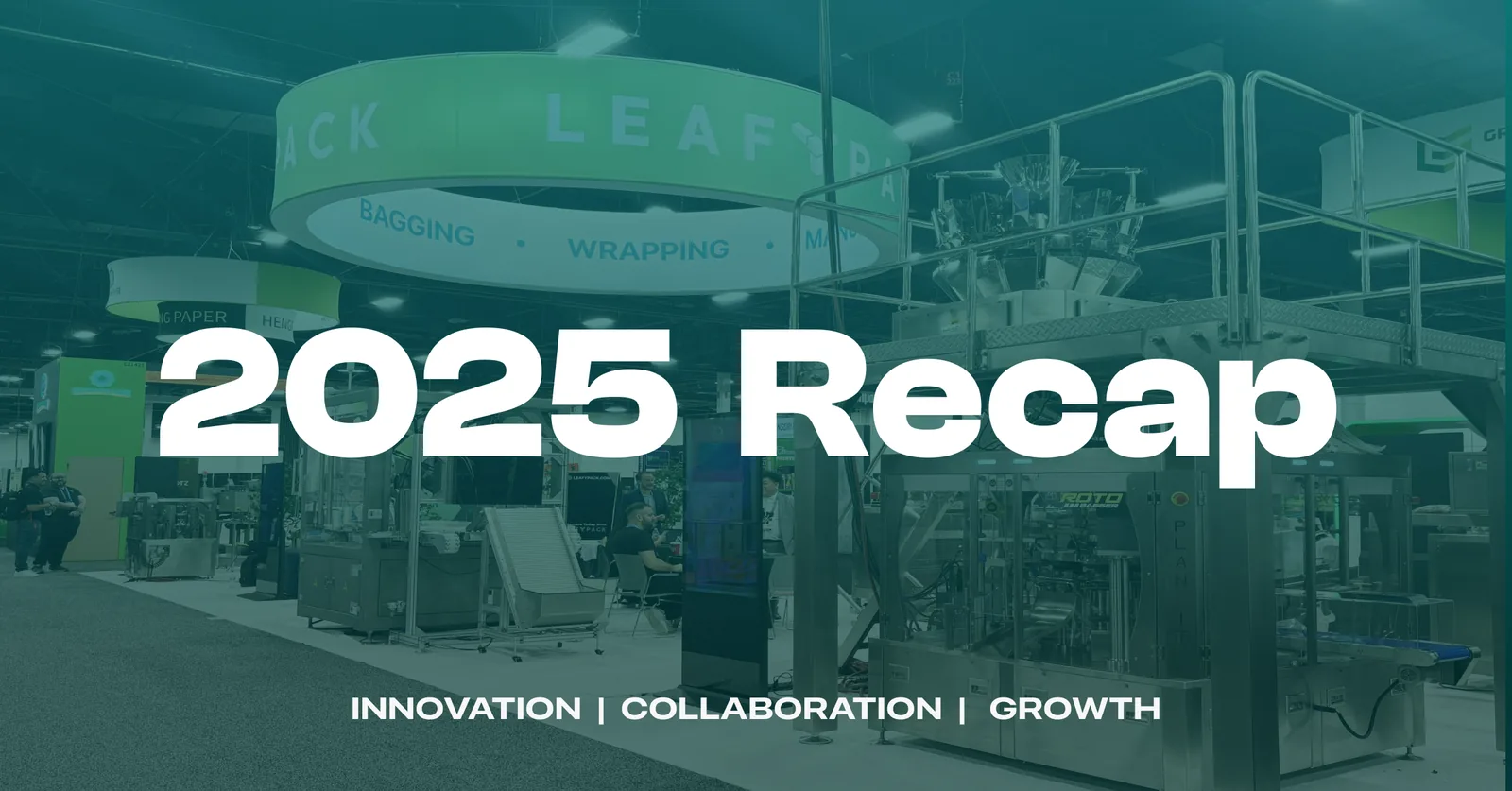
Jan 7, 2026

As 2025 comes to a close, we’re taking a moment to reflect on a year defined by progress, innovation, and meaningful collaboration. From advancing automation technologies to strengthening our global footprint, this year marked an important chapter in LeafyPack’s continued growth.
Here are a few highlights that shaped our journey in 2025.
In 2025, LeafyPack made significant strides in robotics-driven automation, introducing solutions designed to replace manual, labor-intensive processes with intelligent, scalable systems.

New introductions included:
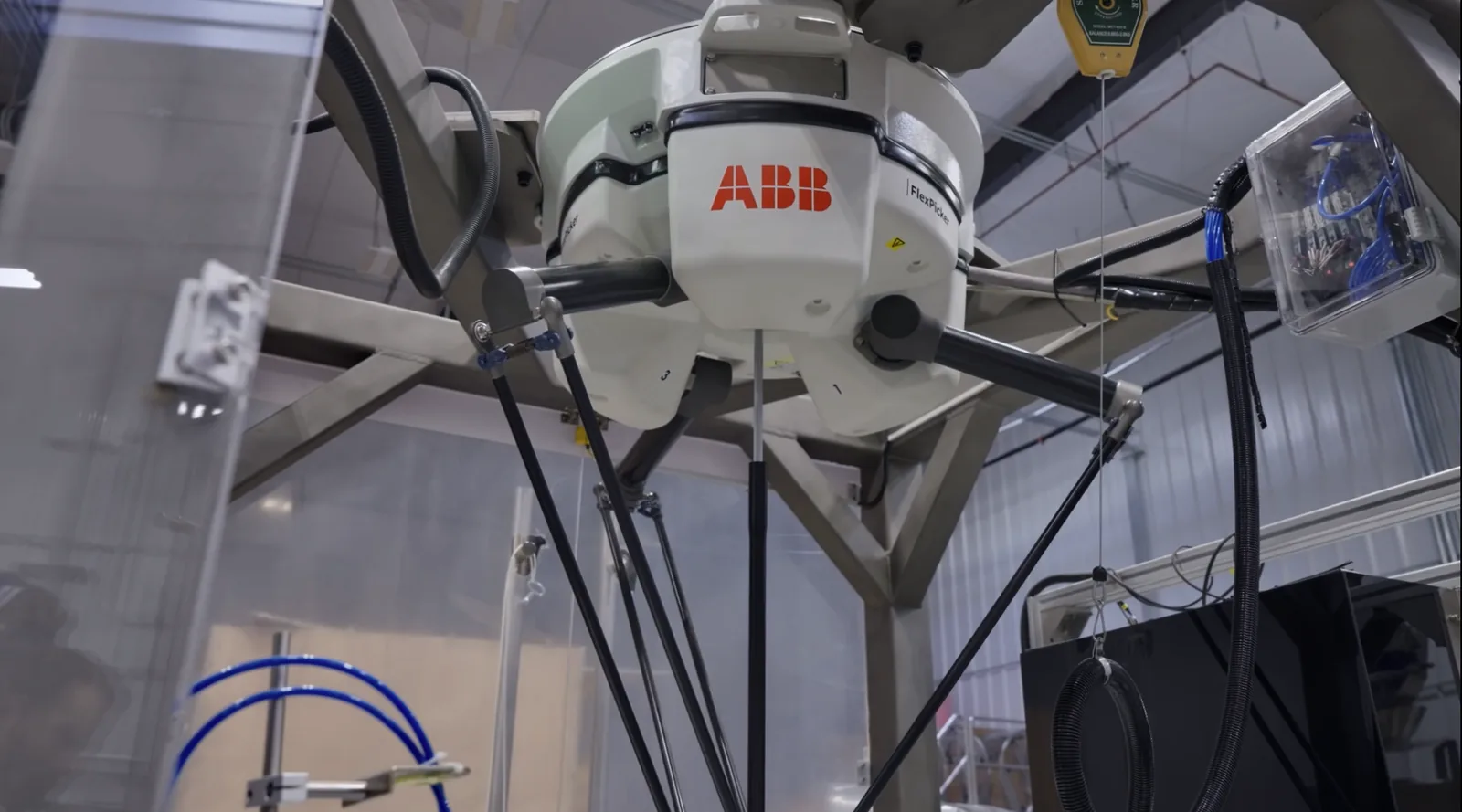
Built using proven technologies from global leaders such as ABB, Omron, and Siemens, these systems are designed to deliver accuracy, repeatability, and operational efficiency where it matters most.

Across 2025, LeafyPack connected with more than 10,000 professionals across the global packaging industry through major international trade shows and events, showcasing innovation while strengthening relationships across the confectionery and bakery sectors.
Key highlights included:
Our progress in 2025 was shaped by close collaboration with customers and partners, translating real operational challenges into successful, high-performing solutions.
This included a high-speed gummy packaging line operating at up to 500 pieces per minute, combining MarsRapid VFFS machines with 24H EliteWeigh multi-head weighers to deliver consistent, scalable performance.
We also supported customers with unique facility constraints through customized solutions such as the LoPro EcoBagger, engineered to perform within limited vertical space without sacrificing efficiency.
Beyond individual installations, we continued to spotlight real automation journeys through our Anti Hand Packing Club series. Featuring customers operating multiple LeafyPack systems, the series highlights how teams have transitioned from manual workflows to integrated automation unlocking higher output, reduced labor dependency, and consistent results as they scale across multiple locations.
Curious how projects like this come together? Learn more about what to expect when working with LeafyPack by exploring our Process from initial consultation and testing to installation and long-term support.
As we step into 2026, we do so with gratitude, momentum, and a clear focus on what matters most: building reliable automation solutions, fostering strong partnerships, and continuously raising the standard for packaging innovation.
Thank you for being part of the LeafyPack journey. We look forward to what’s ahead.

Feb 9, 2026
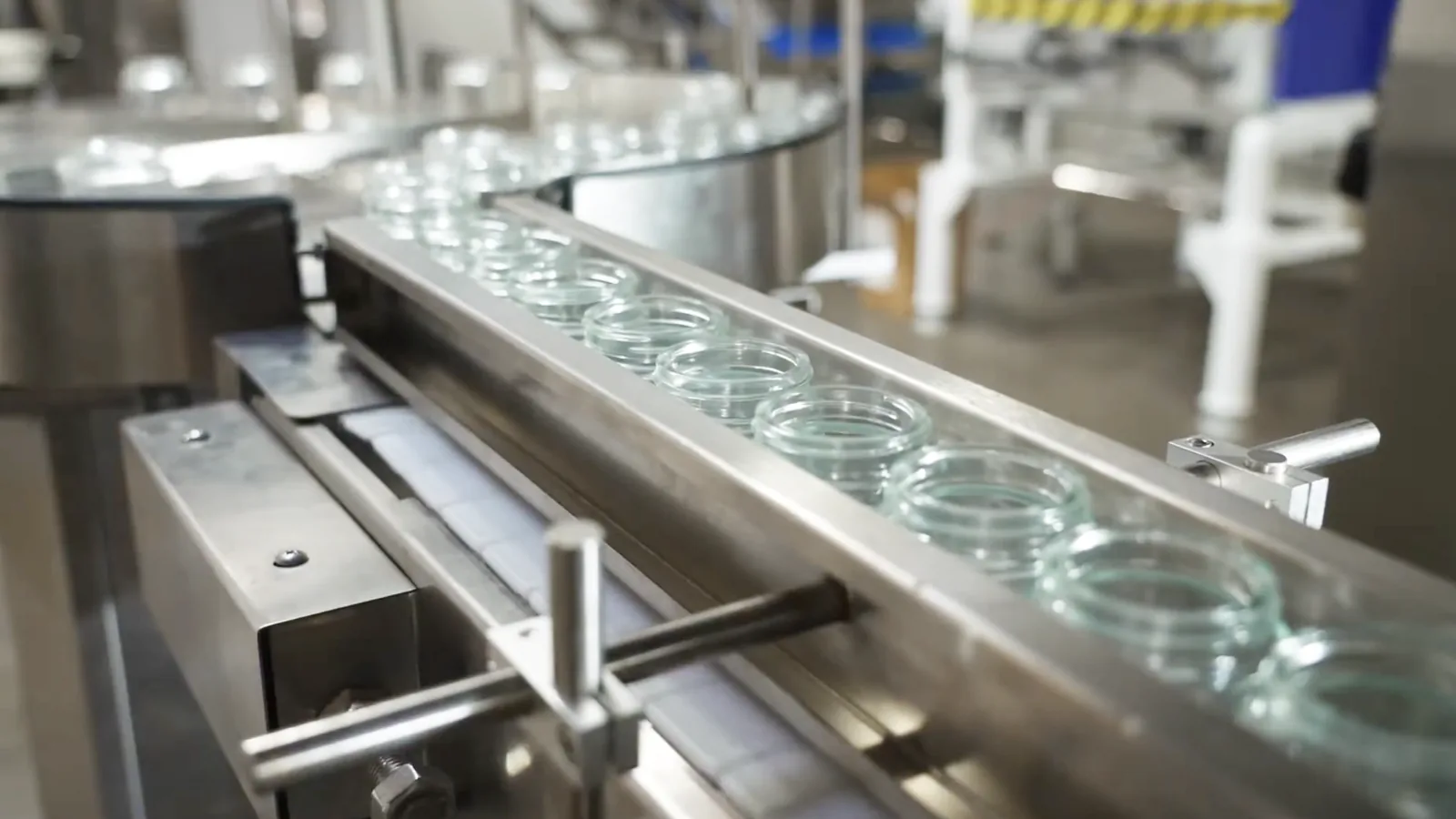
Efficient packaging is more than speed, it ensures product quality, safety, and freshness. For growing brands, balancing high demand with operational precision can be challenging. LeafyPack’s custom-built Jarline system offers a reliable, modular solution to meet these needs.

The LeafyPack Jarline System is a fully integrated, automated container filling line designed to streamline production while maintaining precision and quality. Engineered to handle a wide range of products from delicate powders to dense edibles it combines counting, weighing, filling, capping, and labeling in one modular solution. Built for flexibility, the system can adapt to different container types, product formats, and production volumes, giving brands the ability to scale efficiently without sacrificing accuracy or consistency.

Counting, weighing, or counting by weight. The jar indexing system is compatible with flower, edibles, baked goods, and other infused products, providing flexibility and precision.
Choose between advanced indexing or high-speed continuous motion filling solutions built to meet your production volume and product types.
Depending on your container, we offer single and starwheel options with auto lid feeders, including high-speed auto track single and dual-head capping solutions.
Whether square or round, LeafyPack offers automatic wrap-around label machines for cartons and caps, ensuring accuracy and consistency.

Autumn Brands, a family-owned production company, is known for its focus on high-quality, safe products and a strong family-centric culture. Operational excellence is at the heart of everything they do, with an emphasis on precision, consistency, and product integrity.
The Challenge:
Before automation, all packing was done manually. This created operational bottlenecks, made it difficult to meet fluctuating demand, and sometimes left inventory sitting idle, raising concerns about product freshness and slowing growth.
The Solution:
Autumn Brands partnered with LeafyPack to implement the Jar & Container Indexer, a fully modular and automated packaging system. The system enables pack-on-demand production, seamlessly handling counting, weighing, capping, and labeling. With LeafyPack’s team providing hands-on support, the system was optimized for smooth, reliable operation from day one.
The Results:
See the full story in action:

Mar 2, 2026
Mar 4, 2026
Nov 10, 2026
If your label says 10 pieces, the pack needs 10 pieces. A gummy counting machine does that job without a table of people counting by hand. Here is how it works and what to expect from it.
Gummies go into a hopper and move down vibrating channels until they travel in single file. Each piece passes a sensor and is counted. When the count is reached, a gate closes and the batch drops into the package.
The EliteCount uses infrared sensors and handles pieces from 3 to 10 mm thick and 3 to 30 mm long. It counts 1 to 20 edibles per cycle, or 30 to 50 tablets or capsules per cycle. It is run from a 10 inch touchscreen.
Speed depends on how the packages are fed, not only on the counter.
Higher counts per pack take longer per cycle, so a 20-count pack runs slower than a 10-count pack.
If your gummies will not separate, fix that at the depositing and curing stage. No counter solves clumping.
An infrared counter is the standard choice for gummies. A vision counter uses a camera instead. The EliteVision ignores small broken pieces and handles clear capsules, which makes it a good fit for tablets and capsules where chips and fragments are common.
If your product is sold by net weight, or your pieces are very consistent, a multihead weigher with count-by-weight programs is the other route. We compare the two in weighing vs counting gummies.
The EliteCount mounts above a pouch bagger such as the RotoBagger, or above a jar and container filling line for jars, bottles and tins.
Recipes differ. Send a few pounds of your actual product and have it run before you decide. A test tells you the real speed and count accuracy for your gummies.
For the full line, see our edibles and gummies packaging page.
Tell us your product, your package and how many units you need per shift. We will tell you which setup fits. Contact LeafyPack or call +1 (657) 267-0059.

Feb 27, 2025
We’re excited to announce a strategic partnership between Green Vault Systems and LeafyPack, a collaboration that brings together two of the most innovative automation leaders in industrial weighing, batching, and packaging technologies.
Green Vault Systems is a trusted supplier of precision weighing and packaging equipment, known for systems engineered to reduce labor, improve efficiency, and deliver ultra-accurate performance in regulated product operations. Their solutions such as the Precision Batcher with ±0.01g resolution and gentle handling technologies help manufacturers streamline batching and packaging workflows for high-value products.
LeafyPack is a leader in automated packaging systems, specializing in high-speed pre-made pouch machines, end-of-line solutions, and tailored packaging lines designed to meet diverse production needs. Their RotoBagger, EcoBagger, and other advanced systems help facilities package product reliably, efficiently, and at scale.
This partnership unites precision automation with advanced packaging solutions to deliver a comprehensive ecosystem that supports manufacturers from batching and weighing all the way through to finished packaging. Together, Green Vault Systems and LeafyPack will collaborate on solutions that:
By combining Green Vault Systems’ expertise in weighing and batching automation with LeafyPack’s leadership in packaging machinery and system integration, this partnership is uniquely positioned to elevate operational efficiencies across a range of manufacturing environments. Whether you’re scaling up for higher volume production or optimizing existing lines for better performance, the combined offering delivers tangible value.
Over the coming months, both teams will be working on:
Stay tuned for updates as these initiatives roll out including exciting product showcases, partnership milestones, and new service offerings.
To discover how Green Vault Systems and LeafyPack can help you modernize your operations, visit their websites:
Together, we’re committed to redefining what modern packaging and processing automation can do.
Mar 2, 2026
Apr 8, 2026

When it comes to packaging products like muffins, chocolates, cookies, and individually wrapped gummies, three things matter most: freshness, presentation, and consistency. Achieving these consistently at scale can be challenging and that’s where LeafyPack’s Pack Series Flow Wrappers make a difference.
Flow wrappers automate the process of individually sealing products, ensuring each item maintains its quality from production line to the consumer’s hands. Beyond just packaging, these machines play a pivotal role in building brand trust, streamlining operations, and meeting industry standards.

A high-quality flow wrapper is more than a machine, it’s a safeguard for your product. Properly sealed packaging:
The Pack Series is designed to handle a wide range of products, from soft baked goods that require gentle handling to delicate chocolates and crisp cookies — without compromising packaging integrity. This versatility is especially important for manufacturers producing multiple product types or adjusting batch sizes, ensuring a smooth operation across the board.

What sets the Pack Series apart is precision engineering and reliability:
Manufacturers also benefit from multiple machine sizes, allowing them to match production capacity and facility layout. Whether you’re running a smaller artisanal operation or a large-scale production line, the Pack Series adapts to your needs, offering flexibility without sacrificing performance.
By automating critical packaging processes, the Pack Series reduces human error, speeds up production, and helps brands maintain the high standards expected by distributors and consumers alike.

From bakery to confectionery applications, LeafyPack helps manufacturers grow with confidence. By combining flexibility, durability, and advanced engineering, the Pack Series Flow Wrapping Machines ensure every package maintains freshness, looks professional, and meets compliance standards making it a smart choice for any manufacturer focused on quality, efficiency, and scalability.


Feb 27, 2025

The regulated plant-based market is experiencing rapid growth, and manufacturers are facing important operational decisions especially when it comes to packaging. Two popular options pre-made pouches and traditional glass jars each come with their own advantages and trade-offs. In this guide, we’ll break down the pros and cons of both formats, explore the benefits of packaging automation, and show how LeafyPack can help you identify the right machinery solution for your operation.
Pre-made pouches have become an increasingly attractive option for manufacturers in highly regulated industries. They offer:
Flexible pouches help products stand out on shelves while maintaining freshness and compliance standards. Their lighter weight also contributes to lower transportation costs and reduced carbon footprint.
Glass jars deliver a timeless and elevated brand aesthetic. They provide:
However, glass jars come with higher material and freight costs. Their heavier weight increases transportation impact, and their fragility can create handling challenges.
Regardless of the packaging format you choose, automation plays a critical role in improving efficiency and consistency.
Automating your packaging process can deliver:
LeafyPack offers a range of automated systems designed to support filling, capping, labeling, and bagging for flower, infused, and specialty plant-based products.
By investing in automation, manufacturers can streamline operations, reduce human error, and maintain a competitive edge in a fast-moving, compliance-driven market.
Choosing the right machinery for your packaging line can feel overwhelming. LeafyPack specializes in equipment tailored to regulated product manufacturers, offering scalable solutions built to meet strict industry standards.
Whether you select flexible pouches or glass jars, LeafyPack helps you align packaging format, automation strategy, and production goals ensuring efficiency, compliance, and strong brand presentation.
From weighing and filling to labeling and capping, our equipment is designed to grow with your business.
Both pre-made pouches and glass jars offer distinct advantages. The right choice depends on your brand positioning, sustainability priorities, and operational goals.
By pairing the right packaging format with the right automation strategy, you can improve performance, reduce costs, and strengthen your presence in today’s regulated marketplace.
Nov 10, 2026
Most people who call us have never bought a packaging machine. They have a table of hand packers, a number they cannot hit, and no time to become an equipment expert. This guide is the short version of what we walk first-time buyers through.
With those three numbers we can tell you which machine fits in one conversation.
You do not need a full line on day one. Automate the slowest step first. For most flower and edibles brands that is weighing and bagging. Labeling, checkweighing and case packing can be added later, and our machines are built to connect.
If you already know you need more speed, the RotoBagger runs 20 to 30 bags a minute on flower. See RotoBagger vs EcoBagger for the comparison.
The two things that catch first-time buyers are power and compressed air. Many small buildings have single phase power only, and most shop compressors are too small. Read power and air requirements and check both before you order.
No pouch machine opens a zipper. If you use zipper pouches, order them with the zipper pre-opened. This is the most common surprise for new buyers, and it is easy to avoid.
We test your product in your packaging before you commit. Flower, gummies and carts all behave differently, and a test shows real speed and accuracy for your product.
Machines ship 16 to 18 weeks after the order. Use that time to get power, air and the room ready, and to line up bags and labels.
Machines are sold, and financing is available through our partner NEC Financial. Price depends on your setup, so we quote after we understand your product and volume.
See our process for how a project runs from first call to a running line.
Bring your three numbers. We will tell you what fits, what it takes to install, and what to expect. Book a free consultation or call +1 (657) 267-0059.
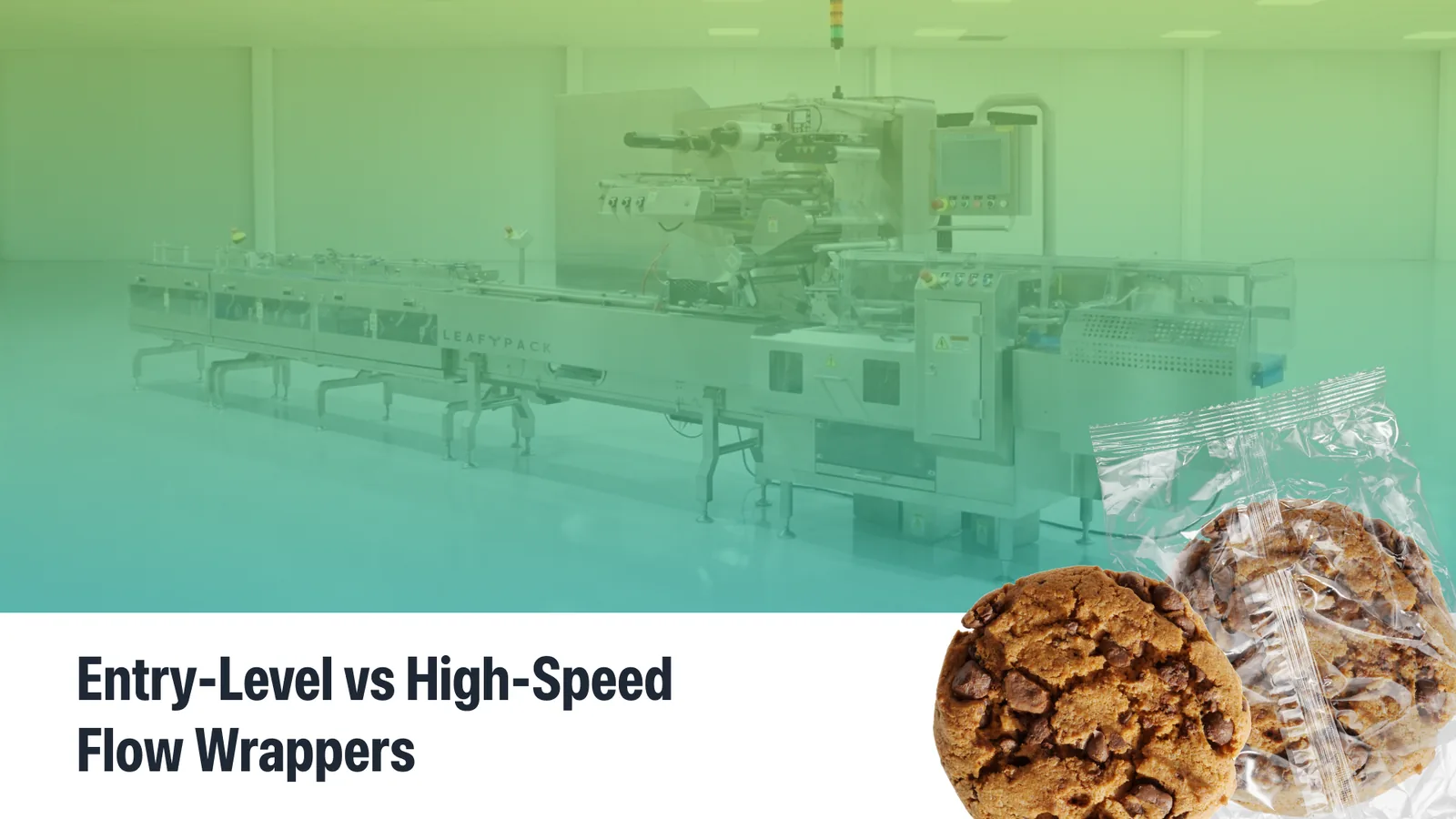
Mar 16, 2026
Flow wrapping is one of the most widely used packaging methods for cookies, snack bars, confectionery, and baked goods. As production grows, many manufacturers eventually face the same question: Should we use an entry-level flow wrapper or invest in a high-speed system?
Both machines perform the same core function forming a protective film around products and sealing them for distribution. The main difference comes down to production speed, automation level, and how products enter the machine.
Understanding these differences helps producers choose the right system for their current production needs and future growth.

Entry-level flow wrappers are designed for small to mid-size production environments that want to automate packaging without the complexity of a large automated line.
These machines typically focus on:
A good example is the Pack500, a compact servo-driven horizontal flow wrapper capable of producing up to 100 packages per minute. Machines in this category are commonly used by bakeries and snack producers looking to move from manual packaging to a more consistent automated process.
Rather than relying on complex product feeding systems, entry-level machines usually receive products that are already spaced or manually oriented before entering the wrapper.
High-speed flow wrappers are built for continuous production environments where large volumes of products must be packaged quickly and consistently.
These systems go beyond basic wrapping by incorporating advanced product handling and infeed automation that organizes products before they reach the sealing stage.
The Pack1000HS, for example, is a high-speed system capable of packaging up to 300 packs per minute using a dual-product end-seal configuration.
What makes high-speed systems different is how they handle incoming products. Instead of requiring manual spacing, the machine automatically converts random product flow from upstream conveyors into precisely timed packaging lanes.
This is achieved through automated components such as:

For many manufacturers, the choice between an entry-level and high-speed system depends on production scale and operational goals.
Entry-level machines are ideal for:
High-speed systems are typically used for:
As demand grows, many producers begin with a compact flow wrapper and later expand into high-speed automated packaging lines.
Flow wrapping technology allows food manufacturers to package baked goods efficiently while maintaining consistent product presentation and protection.
Whether starting with a compact entry-level machine or implementing a fully automated high-speed line, the right system should support both current production needs and future growth.


Feb 27, 2025

The regulated product industry has seen significant advancements in packaging technologies. LeafyPack, a leader in this domain, emphasizes product safety, quality assurance, and operational efficiency. With increasing demand for reliable packaging solutions, bagging machines and top-tier packaging systems have become essential for businesses aiming to maintain compliance and protect their brand reputation.
One critical component in modern packaging lines is the metal detector, ensuring that every product meets the highest standards of quality and safety.
Detecting Metal Contaminants
Metal fragments can inadvertently enter products during processing, whether from machinery, packaging materials, or handling. Common contaminants include ferrous (iron), non-ferrous (aluminum, copper), and stainless steel. Detecting these early prevents safety risks and protects brand reputation.
Compliance with Safety Regulations
Regulatory standards for consumer products require rigorous safety checks. Metal detection is often essential to meet these regulations. Non-compliance can result in fines, legal issues, and operational disruptions.
Preventing Costly Recalls
Integrated bagging machines with metal detectors catch contaminants before products reach consumers, avoiding expensive recalls and safeguarding customer trust.
Maintaining Product Quality
Even small metal fragments can compromise product integrity. Ensuring contaminant-free products guarantees consistent quality and consumer satisfaction.
Building Consumer Trust
Safety and reliability are core to consumer confidence. Implementing metal detection signals a brand’s commitment to quality, fostering loyalty.
Adaptable Packaging Machines
Modern packaging systems, including metal detectors, are highly customizable. They can seamlessly integrate into a variety of production processes, meeting the specific operational needs of businesses.
Integration with Production Lines
Advanced metal detectors are designed to fit within existing packaging lines, providing comprehensive inspection without disrupting workflow.
Real-Time Monitoring and Reporting
State-of-the-art detectors offer live feedback, allowing immediate corrective actions to maintain product quality consistently.
Reducing Waste
Early detection prevents the loss of entire batches, supporting sustainability and efficient resource use.
Versatility
Metal detection can be applied across multiple product lines, making it an invaluable part of any packaging operation.
The combination of advanced bagging machines, top-tier packaging systems, and metal detection technology ensures operational efficiency, compliance, and consumer confidence. LeafyPack continues to set the benchmark for safety and quality assurance in the evolving regulated products industry.
For businesses seeking to enhance their production lines, integrating metal detection into packaging systems is a critical step toward excellence.
Contact LeafyPack today to learn more about implementing advanced packaging and safety solutions.
Mar 4, 2026
Mar 4, 2026

Feb 27, 2025

Experience the efficiency of a state-of-the-art, cam-driven automatic pouch bagging machine built for modern production environments.
The EcoBagger Pro features a robust industrial design engineered to meet the demands of high-throughput operations while maintaining consistent performance and reliability.
▪️ User-friendly bag magazine for fast, effortless pouch loading
▪️ Advanced automatic zipper opening technology
▪️ Product-leveling bag shaker at the fill station for uniform presentation
▪️ Integrated exit conveyor for seamless line integration
The EcoBagger Pro is compatible with a wide range of pouch styles, including:
Designed for versatility and efficiency, the EcoBagger Pro delivers powerful automation for businesses looking to scale their pouch packaging operations.
Discover the next level of precision and productivity with LeafyPack’s EcoBagger Pro.
Nov 9, 2026
A cannabis pouch filling machine takes a stack of pre-made bags, opens each one, fills it with a weighed or counted dose, and seals it. One operator loads bags and watches the line. This guide covers how the machines work, what speed to expect, and how to pick one.
Almost every cannabis brand uses pre-made pouches: printed mylar bags, usually stand-up, usually with a child-resistant zipper. The machine does five things in order.
Every zipper pouch has to arrive with the zipper already open. No pouch machine opens a zipper for you, so ask your bag supplier for pre-opened zippers before you order bags.
The bagger only handles the bag. Weight accuracy comes from the filler. Flower sold by weight needs a scale that is legal for trade, which in most states means NTEP certified. The NTEP EliteWeigh multihead weigher is built for flower and is accurate to 0.02 g. The standard EliteWeigh handles gummies and snacks at 0.1 g and also runs count-by-weight programs. If you sell by piece count, the EliteCount counter counts gummies, tablets and capsules with infrared sensors.
Speeds on cannabis are lower than the food speeds you see in most brochures. Flower is light, sticky and uneven, and every bag has to hit weight. These are real cannabis numbers for LeafyPack machines.
Take your busiest day and divide by the minutes you actually run. A line doing 6,000 eighths in a 6 hour run needs about 17 bags a minute. That is a MINI. At 10,000 or more a shift, look at a RotoBagger.
Bag width decides which machine you can use. The RotoBagger 1900 takes bags 90 to 190 mm wide. The RotoBagger 2100 takes 100 to 210 mm wide. If you run tiny bags for carts or single gummies, you need the EcoVape, which runs 60 to 100 mm pouches.
If you switch between an eighth, a quarter and an ounce in the same day, changeover time is lost production. Servo changeover with saved recipes lets the operator pick the bag on the touchscreen instead of adjusting the machine by hand.
Pouch machines need compressed air and 220 V power. A RotoBagger needs three phase power and at least 20 CFM of air at 90 PSI. Small shops often have neither. See our guide to power and air requirements before you plan the room.
A fast bagger with hand labeling behind it is still a slow line. A pouch labeler and a checkweigher after the bagger keep the whole line at the same pace.
LeafyPack baggers ship 16 to 18 weeks after the order. Financing is available through NEC Financial.
Tell us your product, your bag and how many units you need per shift. We will tell you which machine fits and what it takes to install it. Contact LeafyPack or call +1 (657) 267-0059.

Nov 10, 2026
Every cannabis package needs a compliance label, and most need a new one for every batch. Applying them by hand is slow and the placement drifts. This guide covers the machines that do it for pouches, jars and pre-roll tubes.
Pouches are the hardest package to label because they are soft and filled bags are not flat. The Flat Pouch Labeler labels stand-up and zipper pouches at 20 to 60 a minute, depending on the product and the label size. Placement is accurate to 1 mm. It is built in Germany with an IP65 rating for dust and water.
You can label pouches before filling or after. Labeling empty bags is easier because they lie flat. Labeling after filling means the batch label goes on the exact product it describes. Most lines place the labeler right after the bagger.
Round containers get a wrap label. The Round Container Labeler handles jars and bottles from 30 to 100 mm across and up to 200 mm tall, at up to 60 a minute. It keeps the jar and the label moving at the same speed so the label goes on straight.
Tubes are small and light, so they need their own machine. The Pre-Roll Tube Labeler places labels within 1 mm and will not apply a label if there is no tube, which stops labels from sticking to the machine.
A labeler is only as fast as the machine before it. Match its speed to your bagger or jar line. On a pouch line the order is usually weigher, bagger, labeler, then a checkweigher.
For the bagging side of the line, see how to choose a cannabis pouch filling machine.
Tell us your product, your package and how many units you need per shift. We will tell you which setup fits. Contact LeafyPack or call +1 (657) 267-0059.
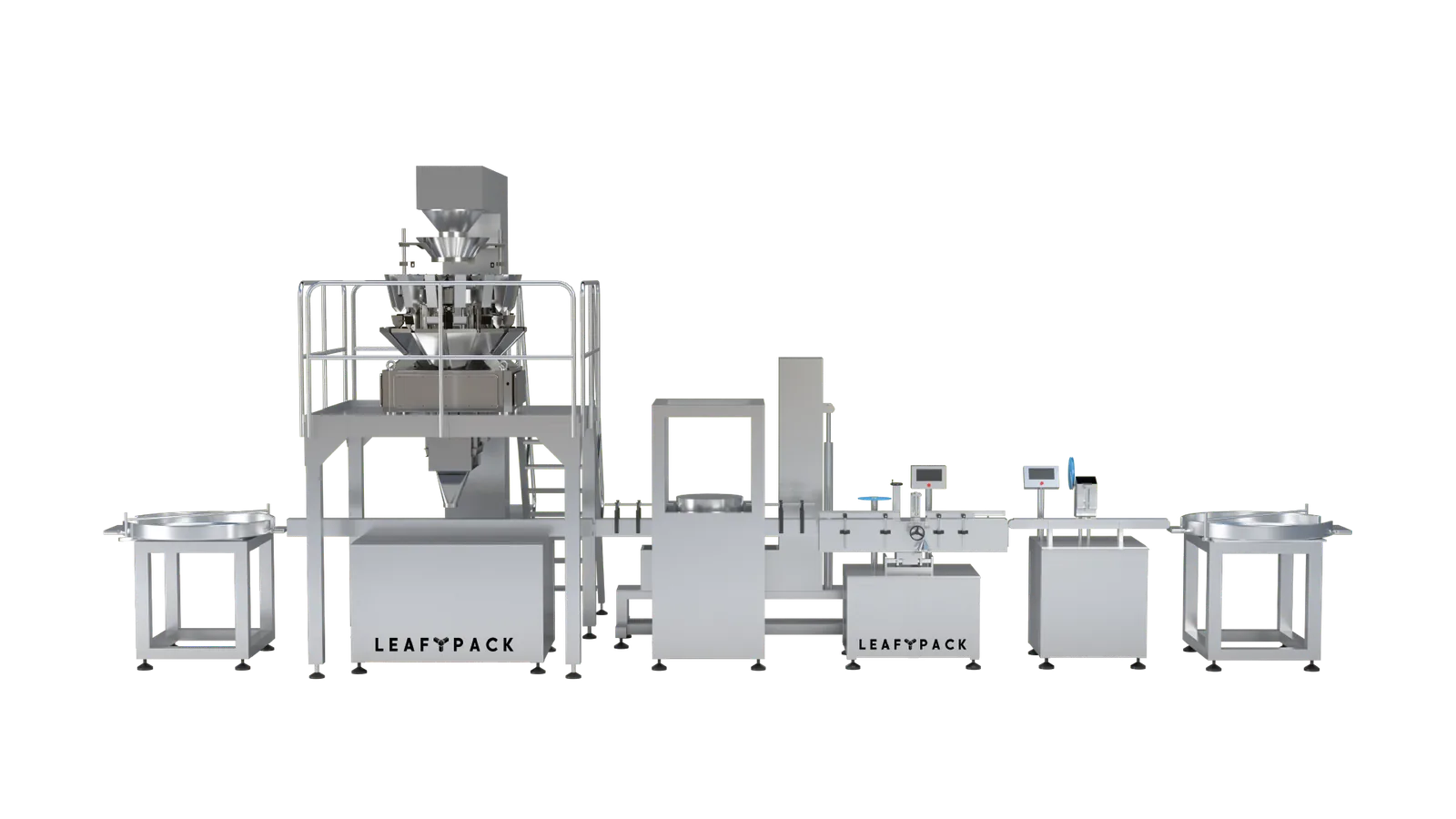
Nov 10, 2026
Jars are the premium package for flower and a common one for gummies. Filling them by hand is slow, and hand weighing gives product away. This guide covers what a jar filling line is made of and how to build one in stages.
The jar and container indexer is modular. It mounts under an EliteWeigh or EliteCount, so you can start with the filler and indexer and have an operator feed and cap jars.
When volume grows, add the unscrambling table and the rotary collection table to make it fully automatic. Then add an automatic capper with lid feeder and a round container labeler, which labels up to 60 jars a minute.
Many brands run both: jars for top-shelf flower and pouches for value lines. The same weigher design feeds either. If you are weighing the two formats, read flexible packaging vs glass jars.
Tell us your product, your package and how many units you need per shift. We will tell you which setup fits. Contact LeafyPack or call +1 (657) 267-0059.

Mar 2, 2026

We’re thrilled to announce that LeafyPack’s RotoBagger has been honored with a 2024 CannaTech Innovation Award, one of the industry’s most respected recognitions for cutting‑edge technology and engineering excellence.
The CannaTech Innovation Awards celebrate advancing technology that improves efficiency, solves real‑world challenges, and pushes the boundaries of what’s possible in packaging and automation. These awards highlight innovations that redefine how products are packaged, tracked, and brought to market from smarter machinery to next‑level operational solutions.
The RotoBagger stood out to judges for its blend of speed, performance, and precision. Designed for high‑speed, continuous production lines, this machine delivers outstanding throughput while maintaining consistent quality, reliability, and flexibility.
Some of the attributes that contributed to the RotoBagger’s recognition include:
This award is a powerful validation of the innovation and engineering excellence that LeafyPack brings to automated packaging solutions.
Winning a CannaTech Innovation Award isn’t just a trophy — it’s a recognition from industry leaders, peers, and experts that the RotoBagger represents meaningful advancement in packaging technology. It underscores our commitment to developing solutions that help manufacturers streamline operations, reduce labor dependency, and scale with confidence.
This recognition also reflects the hard work of our entire team — from design and engineering to manufacturing and support — and the trust our customers place in our products every day.
As LeafyPack continues to develop next‑generation packaging solutions, we see this award as a springboard for further innovation. Our mission has always been to empower businesses with technology that improves productivity, reliability, and consistency across the entire packaging line.
We’re proud of what the RotoBagger has achieved, and we’re excited to continue delivering automation that helps businesses evolve and thrive.

Feb 27, 2025
In today’s fast-growing production landscape, precision and efficiency are critical. A multi-head weigher has become an essential tool, valued for its accuracy, speed, and reliability. Originally designed to handle a wide range of products, these machines now play a key role in ensuring consistent measurements across modern packaging operations.
A typical multi-head weigher distributes product into multiple feed hoppers, then transfers it into weigh hoppers. Using automated calculations, the system determines the optimal combination to achieve the target weight with high precision. Once finalized, the product is discharged into downstream packaging systems, ensuring consistency and minimal giveaway.
When investing in a multi-head weigher, it’s important to evaluate features that directly impact production performance. Below are key considerations to help improve profitability, productivity, and overall operational efficiency.
Accurate measurement is essential for maintaining consistency and reducing product loss. A high-precision weighing system ensures reliable pack weights, helping maximize yield while minimizing waste. Even small deviations can impact margins, making accuracy a top priority. Efficient weighing systems also support higher throughput, allowing operations to meet demand and scale effectively.
The EliteWeigh Multihead Weigher is NTEP certified, ensuring dependable performance and precision in critical applications. This certification confirms compliance with strict accuracy standards, making it a trusted solution for production environments where consistency matters most.
The number of heads refers to the individual weigh hoppers within the system. Each head includes a load cell and discharge mechanism. The ideal configuration depends on product characteristics and desired output speed. More heads generally allow for greater accuracy and faster operation, but it’s important to balance performance needs with budget considerations.
A versatile multi-head weigher should support a wide variety of products, from small items to larger packaged goods. Understanding the minimum and maximum target weights is essential when selecting a system. A broader weighing range provides greater flexibility and allows manufacturers to adapt to different product lines.
Hopper design plays a crucial role in product flow and consistency. Capacity should align with the product’s bulk density and flow characteristics to ensure smooth operation. Properly sized hoppers help maintain steady throughput and prevent bottlenecks in the production line.
Reliable support and easy maintenance are key to minimizing downtime. Features such as built-in diagnostics and fault detection enable proactive servicing, helping teams identify issues before they become critical. Choosing equipment backed by strong technical support ensures long-term operational stability.

Feb 27, 2025
In the world of production, packaging stands as a pivotal step, not only protecting your products but also elevating their appeal. It's a reflection of your brand's commitment to quality and market readiness. Thus, investing in the right packaging machine is a game-changer, streamlining your production line.
Such an investment can lead to reduced downtime, controlled expenses, and amplified profits. However, the key to reaping these benefits lies in the meticulous care and maintenance of your packaging machinery. A machine that's well-looked-after promises to serve your operations for many fruitful years. Here are five indispensable tips for maintaining your packaging machinery, brought to you by LeafyPack:
Think of your packaging machine as you would a vehicle. Regular check-ups and maintenance are essential to ensure it runs smoothly and efficiently. Once your machine is in place, it's imperative to set up and religiously adhere to a preventative maintenance routine.
Given the technical nature of these tasks, it's best to have them executed by experts, preferably certified technicians from the machine's manufacturing company.
At LeafyPack, we pride ourselves on offering comprehensive service audits and maintenance plans, customized to your machine's unique operational needs.
Alongside specialized maintenance, it's beneficial to integrate simpler, routine checks that can be performed by trained machine operators.
Downtime in the packaging world can be detrimental. Hence, before even purchasing equipment, it's wise to evaluate the OEM's technical support, communication avenues, and associated costs.
Post-purchase, your OEM, like LeafyPack, should provide a recommended spare parts list. This list should be organized based on wear patterns, facilitating strategic inventory management.
It's wise to always have high-wear parts in stock. Downtime can be costly, and waiting for parts can exacerbate the loss.
Packaging machinery, like all tech, evolves. It's crucial to be prepared for times when certain parts or software updates become necessary or when they're phased out.
Proactivity is the cornerstone of seamless production. Regularly scrutinize your machinery, stick to maintenance routines, and incorporate daily checks. Understand your parts inventory, categorize them based on wear, and be prepared for technological shifts.
LeafyPack is your go-to partner for top-notch packaging machines and innovative packaging solutions. From maintenance guidance to equipment upgrades, we're here to ensure your operations run smoothly.
Reach out to us today for proactive support and unparalleled solutions. With LeafyPack, you don't just react to problems—you plan for success.
Get expert tips, product launches, and automation insights that help you streamline your packaging line and boost efficiency.